
Best Camera for Wildlife Photography (2026 Guide)
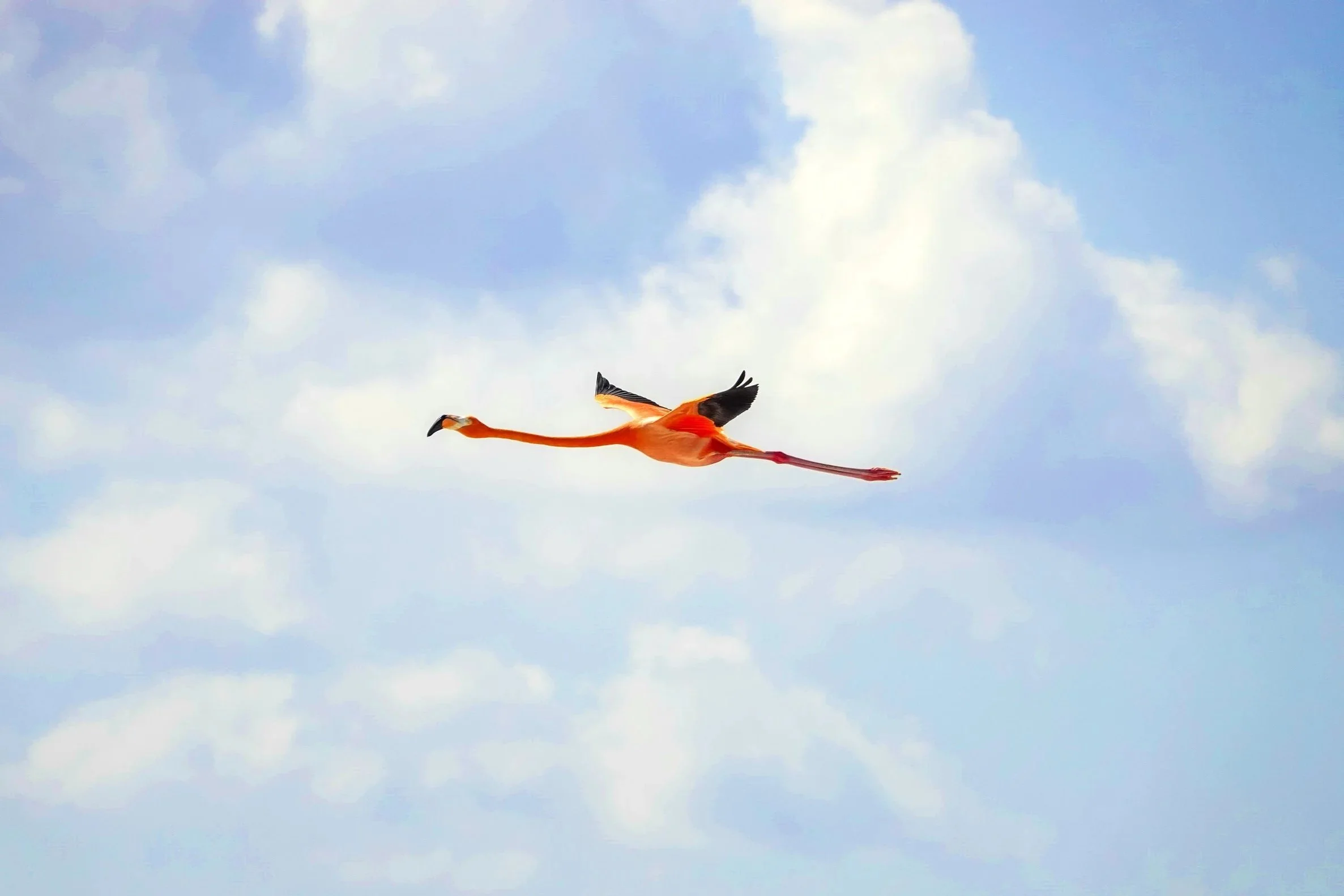
Flamingo in flight. Mexico 2024. By Tarzan Caesar (Tarzan Wildlife Photography / @TarzansWildArt)
Wildlife photography is one of the most rewarding forms of photography, but it can also be one of the most frustrating if you don't have the right equipment.
Animals rarely wait for you.
They're often hundreds of metres away, moving quickly, hidden in poor light or appearing for only a few seconds.
The good news is that you don't need to spend £10,000 on a professional camera setup to capture incredible wildlife photographs.
I've photographed wildlife all over the world, from flamingos in Mexico and lemurs in Madagascar to hippos in Botswana, dolphins in South Africa, fruit bats in the Maldives, Toucans in Costa Rica and countless other birds, reptiles and mammals around the world.
Despite having the opportunity to upgrade many times, I still carry the exact same camera I've used from day one of my wildlife photography journey.
This guide explains why.
My Camera of Choice: Sony RX10 IV
If someone asked me to recommend just one wildlife camera for almost everyone, my answer would still be the Sony RX10 IV.
I've used this camera around the world for years.
It has travelled through tropical rainforests, deserts, mountains, snow, jungles and safaris.
It has been caught in showers, covered in dust and bounced around in backpacks across dozens of countries.
It has never let me down.
Why I Still Use It
The biggest advantage is the incredible versatility.
Instead of carrying several heavy lenses, the RX10 IV gives you everything in one weather-resistant camera.
24-600mm Zoom Lens
This is the feature that makes it so special.
One second you can photograph a landscape.
The next you can zoom all the way to 600mm to photograph an eagle, monkey or leopard without changing lenses.
When travelling, this is invaluable.
Fast Autofocus
The autofocus is exceptionally quick.
It tracks birds in flight, running mammals and unpredictable wildlife surprisingly well.
Missing the moment is often worse than having slightly lower image quality.
The RX10 IV captures incredible moments.
Lightweight
Professional wildlife setups with lenses can easily weigh 5-8kg.
The Sony RX10 IV weighs around 1kg.
That matters when you're hiking Kilimanjaro, trekking through Madagascar or climbing mountains looking for wildlife.
Incredible Video
If you create wildlife content for YouTube, Instagram or social media, the RX10 IV produces beautiful 4K footage with excellent stabilisation.
It’s the camera I’ve used for all of my wildlife content - photo and video. For content creators, it's almost the perfect all-round camera.
Is the Sony RX10 IV Perfect?
No camera is.
There are compromises.
Compared with full-frame cameras:
Low-light performance isn't quite as good.
You have less background blur.
Image quality isn't quite at the same professional level.
But...
Most people dramatically overestimate how much these differences matter.
The best wildlife photo is the one you actually capture.
Having a 600mm lens with you beats leaving a huge professional setup back at the lodge because it's too heavy to carry.
My Wildlife Photography
Every wildlife photograph across my social media has been taken using the Sony RX10 IV. You can see them all here: @TarzansWildArt
I've used it to photograph:
Jaguars and toucans in Costa Rica
Chimpanzees in Gambia
Lemurs throughout Madagascar
Chameleons from around the world
Lions, elephants zebras and rhinos in Africa
Sharks and dolphins in South Africa
Crocodiles and flamingos in Mexico
Birds of prey
Thousands of reptiles, amphibians and insects around the world
The camera has travelled with me across more than 65 countries and has documented countless wildlife encounters.
If you'd like to see exactly what this camera is capable of in real-world conditions—not studio tests or controlled environments, you can view my wildlife photography on dedicated wildlife photography Instagram:
📸 Instagram: https://www.instagram.com/tarzanswildart
Every wildlife image there has been captured in the field using this camera.
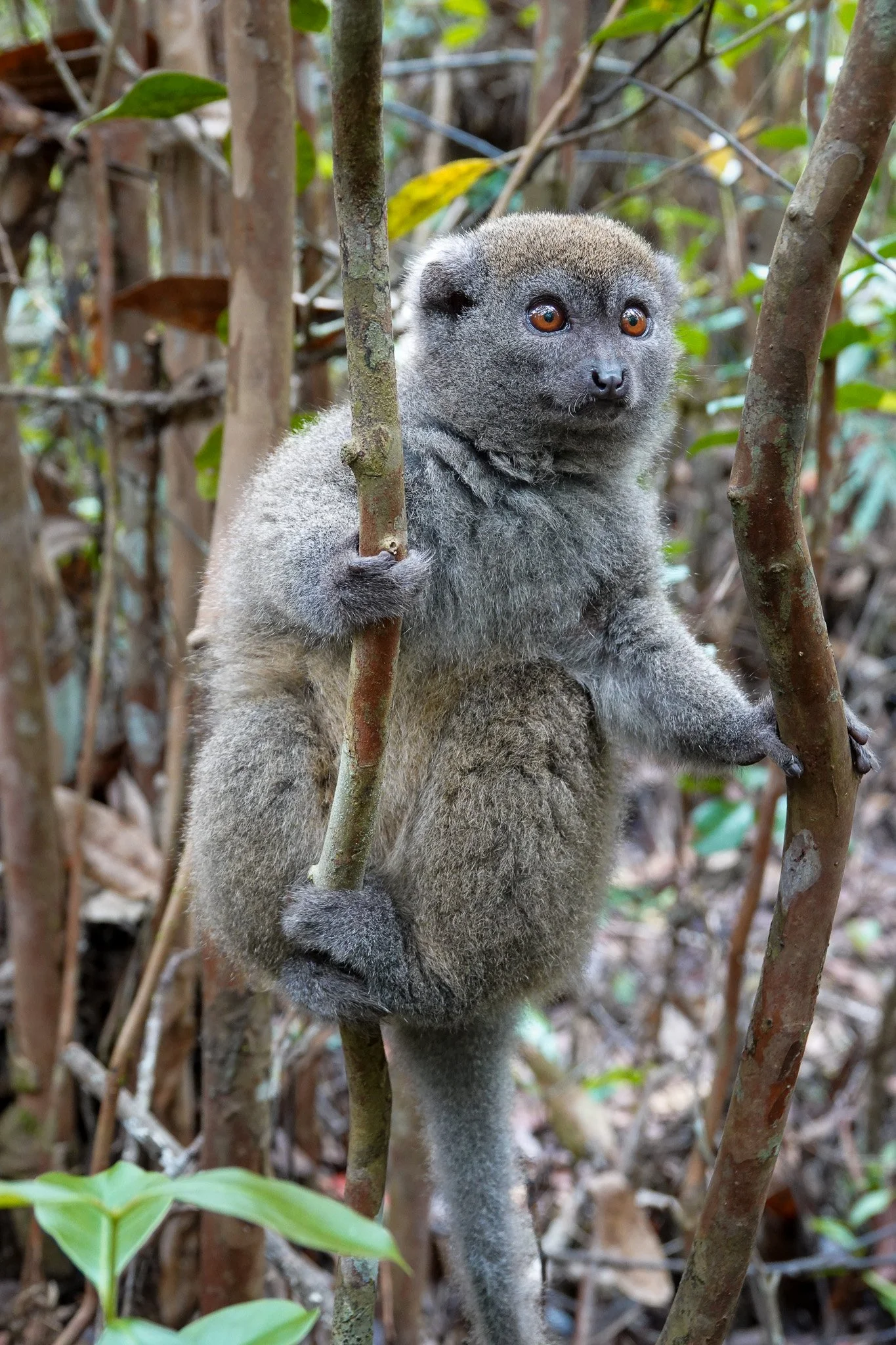
Bamboo Lemur. Madagascar December 2025. By Tarzan Caesar (Tarzan Wildlife Photography / @TarzansWildArt)
Best Wildlife Cameras by Budget
Under £500
If your budget is under £500, consider:
Used Sony RX10 III
Nikon P950
Canon SX70 HS
These cameras offer excellent zoom without the cost of interchangeable lenses.
£1,000-£2000
This is where I believe you'll find the best value.
Sony RX10 IV (My Recommendation)
Pros:
Incredible 24-600mm lens
Fast autofocus
Excellent 4K video
Weather resistant
Lightweight
No extra lenses required
Cons:
Smaller sensor than more expensive cameras
Not the strongest low-light performer
For most wildlife enthusiasts, this is still my number one recommendation.
Around £2,000-£3,000
If you want to step into interchangeable lens systems:
Sony A6700 + 70-350mm
Canon R7 + RF 100-400mm
Nikon Z50 II + 180-600mm (larger investment)
These offer better image quality while remaining relatively portable.
Elite high-end Wildlife Photography
If wildlife photography is your full-time career, consider:
Sony A1 II
Canon R5 Mark II
Nikon Z8
Combined with:
400mm f/2.8
600mm f/4
100-500mm
200-600mm
These systems produce outstanding results but often cost between £8,000 and £20,000 once lenses are included.
Do You Need an Expensive Camera?
Absolutely not.
People often believe professional wildlife photographers produce amazing images because they own expensive cameras.
In reality:
They understand:
Animal behaviour
Light
Composition
Patience
Fieldcraft
A £1,000 camera in experienced hands will consistently outperform a £10,000 setup in inexperienced hands.
Learn wildlife first.
The camera comes second.
Essential Wildlife Photography Accessories
Whatever camera you choose, I'd recommend investing in:
Spare Batteries
Cold weather and long safari days drain batteries quickly. I carry 6 at all times.
Fast SD Cards
Use reputable cards with fast write speeds, especially if photographing birds in flight. I’ve made the mistake of buying cheap SD cards and it was a nightmare. Some have just stopped working completely while in use, one in particular malfunctioned and completely wiped half way through a day in the rainforest in Costa Rica, losing everything I had captured that day.
Lens Cloth
Dust, rain and fingerprints are inevitable.
Keep a microfibre cloth handy.
Waterproof Backpack
Your camera is only useful if it's protected.
A comfortable waterproof backpack or waterproof cover makes travelling much easier.
Lightweight Tripod (Optional)
Useful for landscapes, sunrise photography and filming, although many wildlife photographers prefer shooting handheld. I personally have never used a tripod but I know lots of wildlife photographers who do. It can certainly help when shooting long range or in when capturing videos.
My Advice for Beginners
Don't spend years waiting until you can afford the "perfect" setup.
The best camera is the one that gets you outside.
Learn to:
Spot wildlife
Understand animal behaviour
Work with natural light
Be patient
Enjoy the experience
Those skills will improve your photography far more than endlessly upgrading your equipment.
Also, practice. When I first got in to wildlife photography I had a large collection of exotic pets so I would practice my wildlife photography on then. Go to a zoo and practice using your camera before bringing it on an actual expedition.
My Thoughts
After years of photographing wildlife across the world, if I were starting again today with my own money, I'd still buy the Sony RX10 IV.
It isn't the newest camera.
It isn't the most expensive.
But it's high quality, reliable, lightweight, incredibly versatile and has helped me capture thousands of wildlife photographs from around the globe.
For most people looking for one camera that can photograph everything from tiny chameleons to distant birds of prey, it's still one of the best wildlife photography cameras ever made.
Whether you're heading on safari, exploring rainforests or joining one of our expeditions, the Sony RX10 IV remains my personal recommendation. Get yours HERE
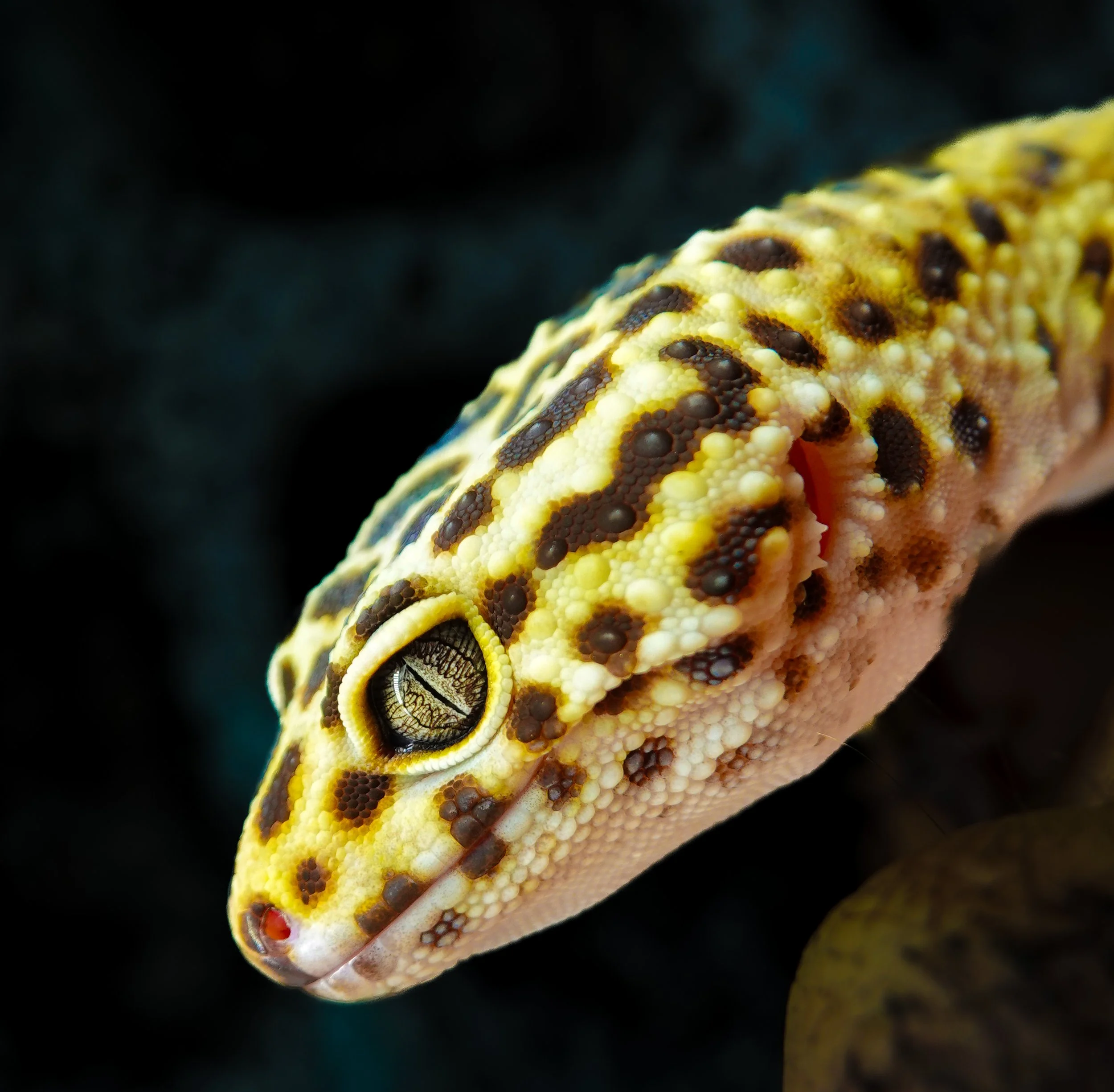
Leopard Gecko. By Tarzan Caesar (Tarzan Wildlife Photography / @TarzansWildArt)