
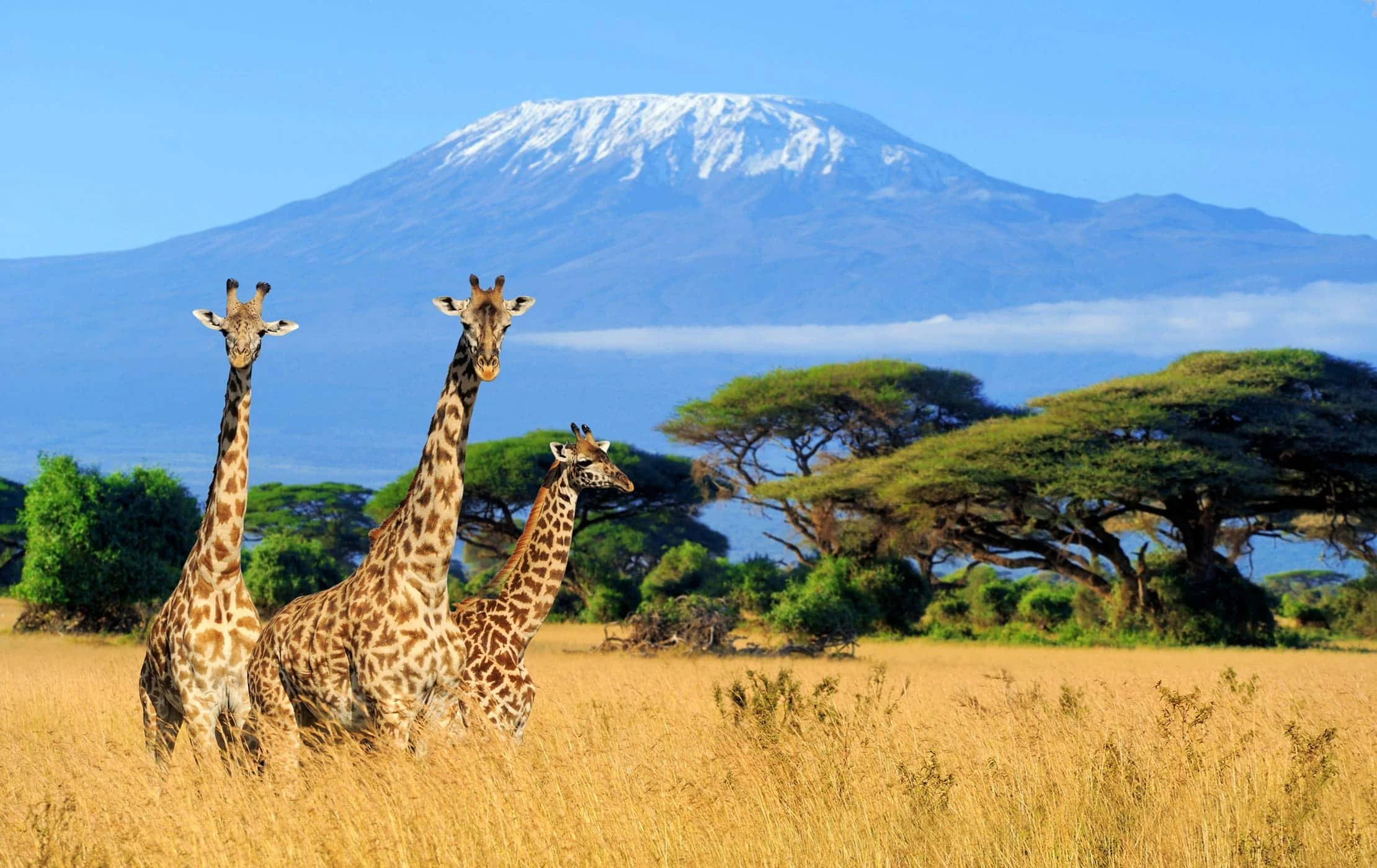
kilimanjaro 5895m
Tanzania
11 days/10 nights
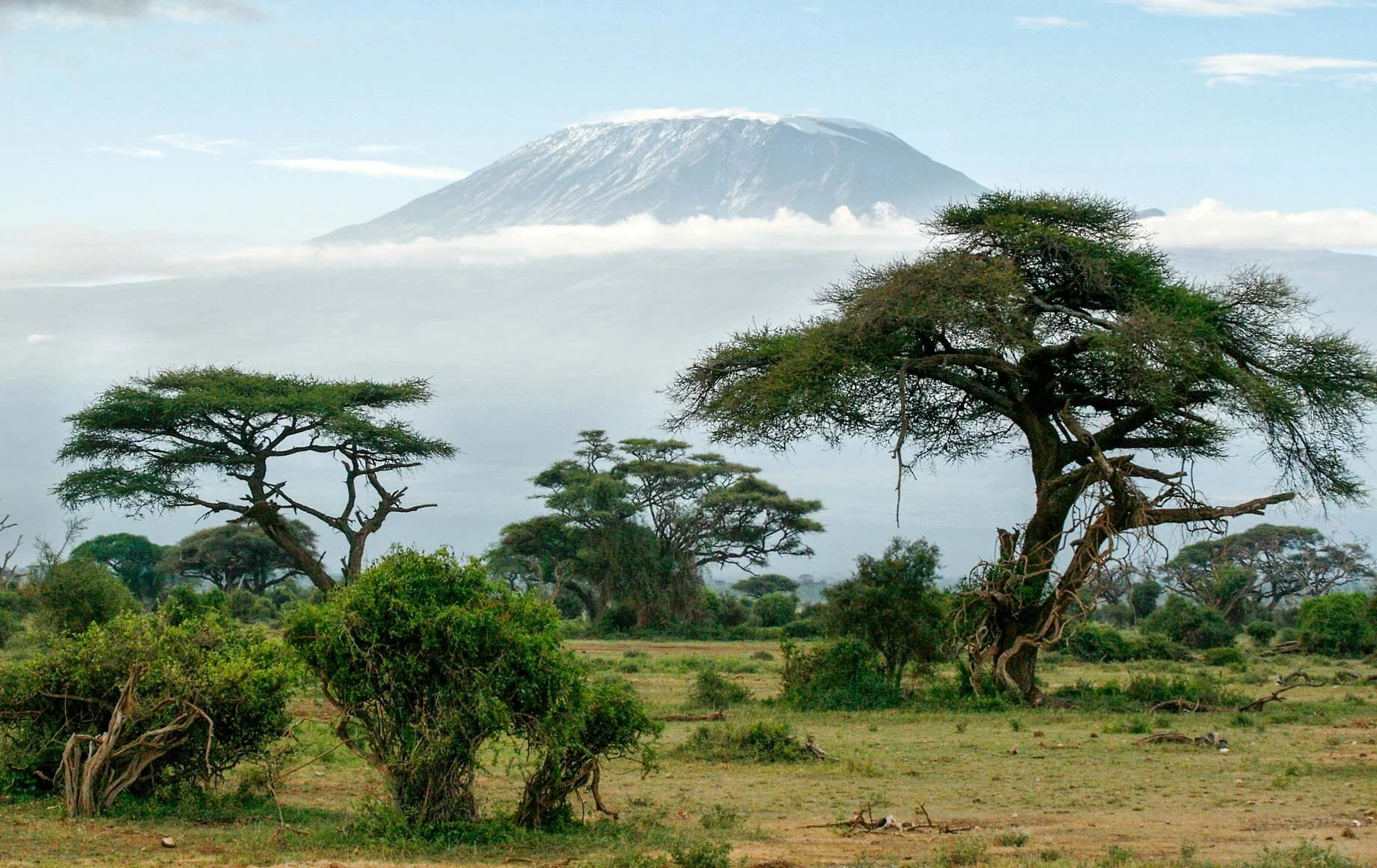
Summit the highest mountain in Africa, and one of the most prestIgious mountains on earth, on an unforgettable 9-day expedition via the world-renowned Lemosho Route. Known for its incredible scenery, quieter trails, and excellent acclimatisation profile, this journey takes you through rainforest, moorland, alpine desert, and finally to the Arctic summit zone of Uhuru Peak at 5,895m.
From the Barranco Wall and Lava Tower to breathtaking sunrise views above the clouds, every stage of the climb is designed to challenge you, inspire you, and create an experience you will never forget.
2 day Safari– Tarangire & Ngorongoro Crater
Extend your Kilimanjaro adventure with an unforgettable 2-day Tanzanian safari through Tarangire National Park and the world-famous Ngorongoro Crater.
Experience incredible wildlife encounters including elephants, lions, giraffes, zebras, flamingos, and the opportunity to spot the iconic Big Five within the breathtaking landscapes of Tanzania’s most famous national parks.
From vast baobab-filled savannahs to the unique volcanic caldera of Ngorongoro, this safari offers the perfect balance of adventure, wildlife, and unforgettable scenery after your summit experience.
Expedition at a glance
Physical Difficulty: 9/10
Technical Difficulty: 2/10
Fitness Required: High
Family Friendly: 14+ Recommended
Comfort: 4/10
Facilities: Camping & Safari Lodge
Maximum Altitude: 5,895m
Climate: Tropical to Arctic
Wildlife: 9/10 (On safari)
Photography: 10/10
Experience Needed: None
Group Size: 10 Maximum
Perfect for you if...
Reaching one of the Seven Summits is on your bucket list.
You want a true personal challenge.
You're prepared to train beforehand.
You enjoy spending time outdoors.
Love wildlife.
This may not be for you if...
You dislike camping.
You're not prepared for altitude.
You want a physically easy trip.
full itinerary
4th Jan - Day OneArrive & Meet
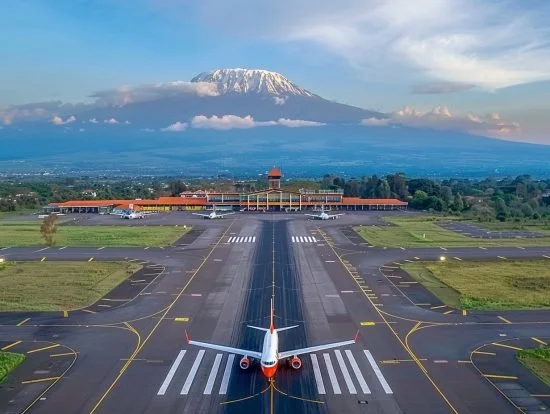
Arrival in Kilimanjaro no later than the 4th of January (you are welcome to arrive as early as you wish) – Airport Pickup & Transfer to Moshi Upon arrival at Kilimanjaro International Airport (JRO), you will be met by our representative and transferred to your hotel in Moshi. Depending on your arrival time, you may relax at the hotel, explore Moshi town, or attend a pre climb briefing with your mountain guide. During the briefing, your equipment will be checked and any last-minute rental gear can be arranged.
Accommodation: Kilimanjaro White House Hotel Meals: Bed & Breakfast
5th Jan - Day TwoLondorossi Gate to Mti Mkubwa Camp
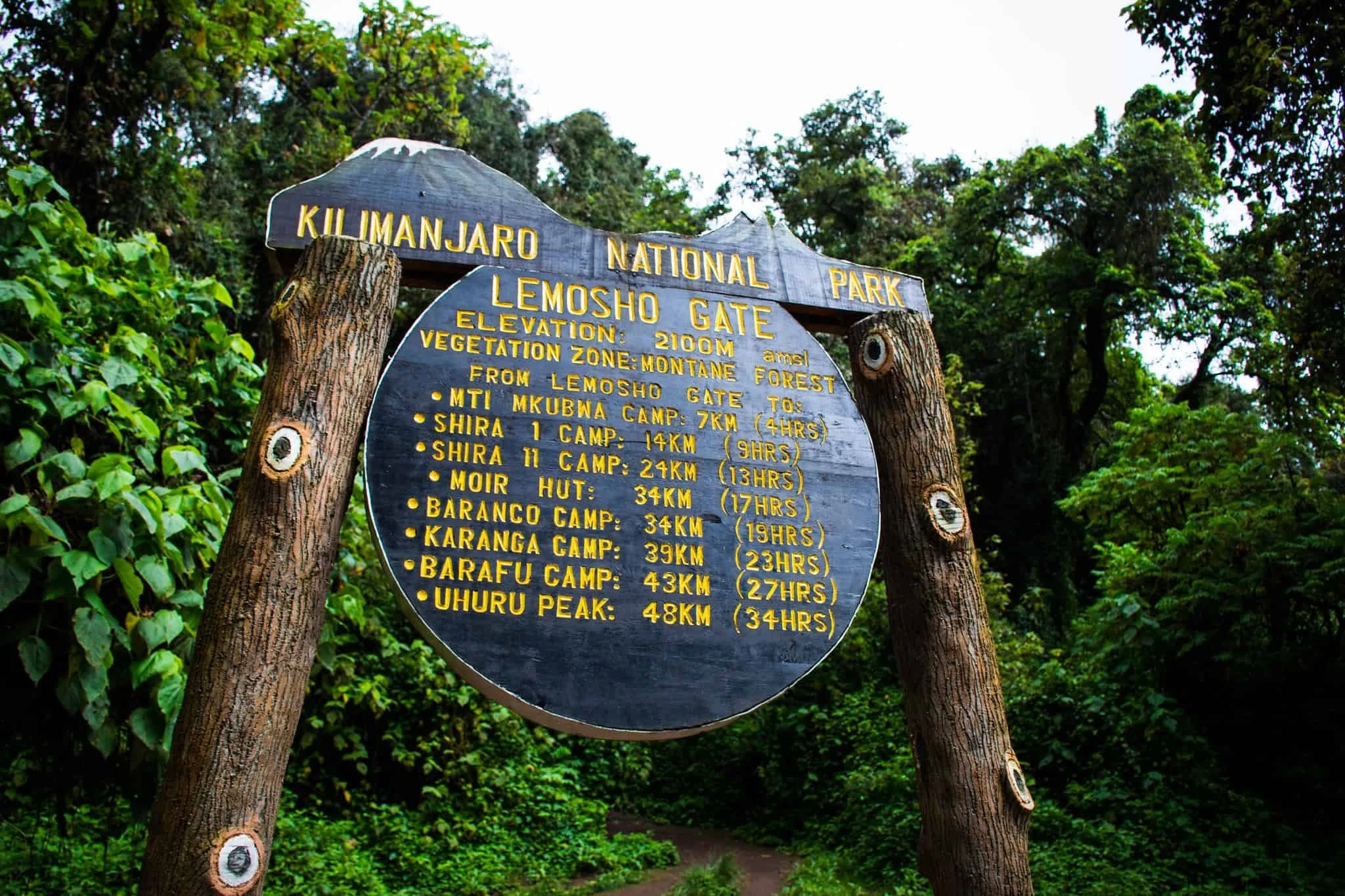
Elevation: 2,100m to 2,650m
Distance: 6 km
Hiking Time: 3–4 hours
Habitat: Rainforest
Overnight: Mti Mkubwa Camp
After breakfast, you will be picked up from your hotel in Moshi or Arusha and driven to Londorossi Gate for registration and park permit formalities. The drive gives you the first views of the countryside, local villages, and the lower slopes of Mount Kilimanjaro. After completing the gate procedures, you will continue to the trailhead where the trek begins. The first day takes you through thick rainforest with tall trees, fresh mountain air, and rich vegetation. This area is home to birds, blue monkeys, and black-and-white colobus monkeys. The walk is not too long, making it a good introduction to the mountain. You will arrive at Mti Mkubwa Camp, also known as Big Tree Camp, where dinner will be served and you will spend your first night on the mountain.
6th Jan - Day ThreeMti Mkubwa Camp to Shira 1 Camp
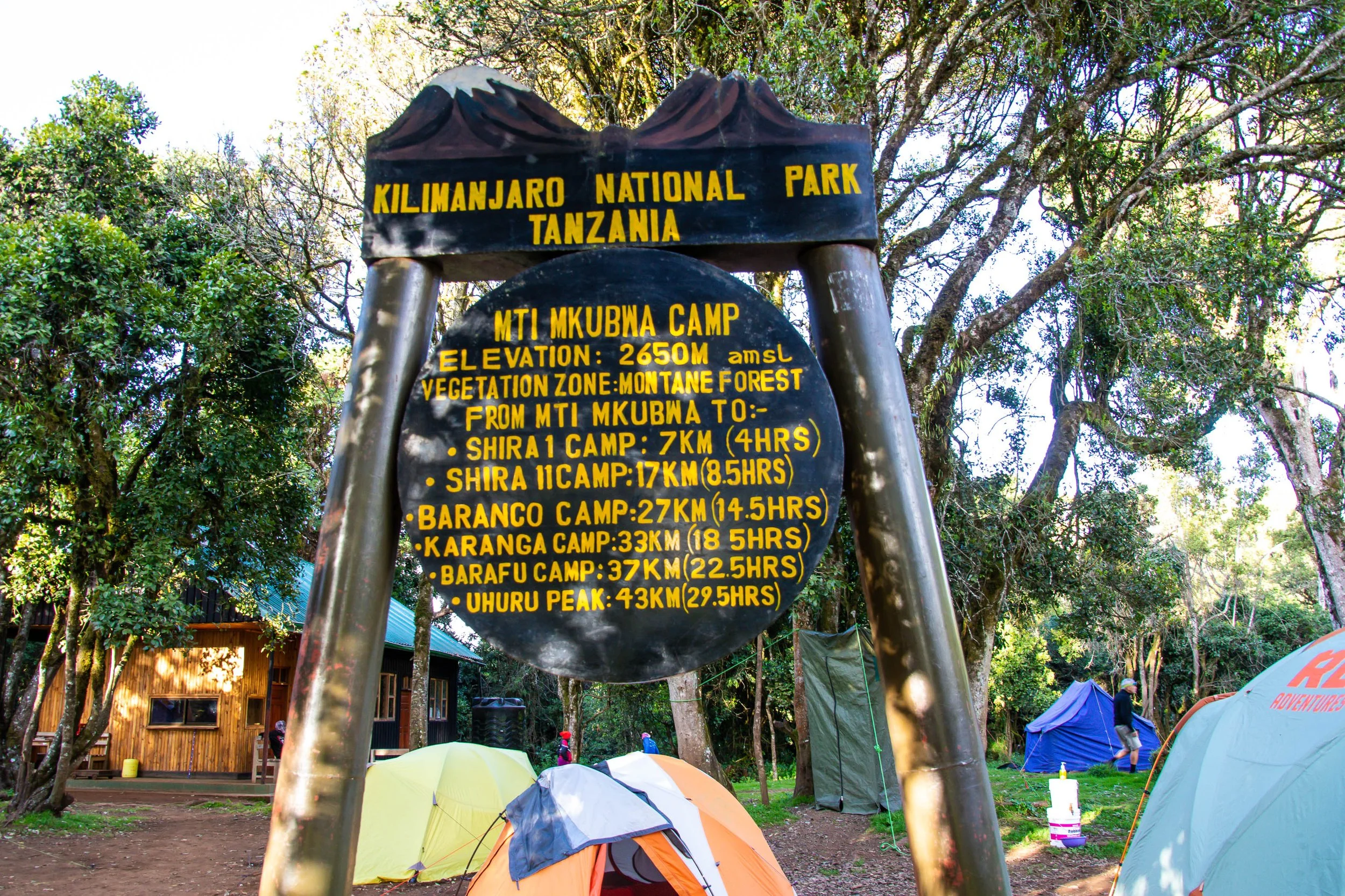
Elevation: 2,650m to 3,610m
Distance: 8 km
Hiking Time: 5–6 hours
Habitat: Moorland
Overnight: Shira 1 Camp
After breakfast, the trail continues upward as you leave the rainforest behind and enter the heather and moorland zone. The vegetation begins to change, and the trees become smaller as the landscape opens up. This section involves a steady climb, so walking slowly is important for proper acclimatization. As you gain altitude, you will begin to enjoy wide views across the Shira Plateau. On a clear day, you may also see Kibo Peak rising in the distance. The trail passes through rolling hills and open moorland before reaching Shira 1 Camp. This camp offers a beautiful and peaceful setting, with excellent views of the surrounding mountain landscape.
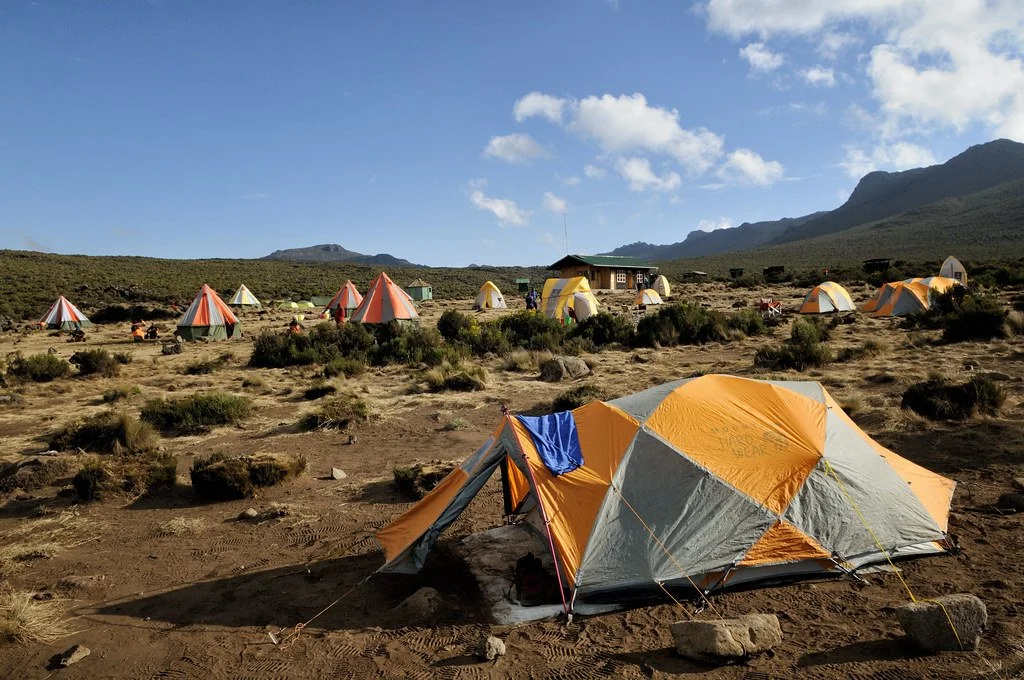
7th Jan - Day FourShira 1 Camp to Shira 2 Camp
Elevation: 3,610m to 3,850m
Distance: 7 km
Hiking Time: 3–4 hours
Habitat: Moorland
Overnight: Shira 2 Camp
This is a gentler day designed to help your body adjust to the altitude. After breakfast, you will walk across the wide Shira Plateau, one of the most scenic parts of the Lemosho Route. The terrain is more open and less steep, allowing you to enjoy the views while maintaining a comfortable pace. The Shira Plateau was formed by ancient volcanic activity and offers outstanding views of Kibo Peak and Mount Meru in the distance. The shorter hiking time gives you more opportunity to rest in the afternoon. This day is very useful for acclimatization, helping prepare your body for the higher elevations ahead.
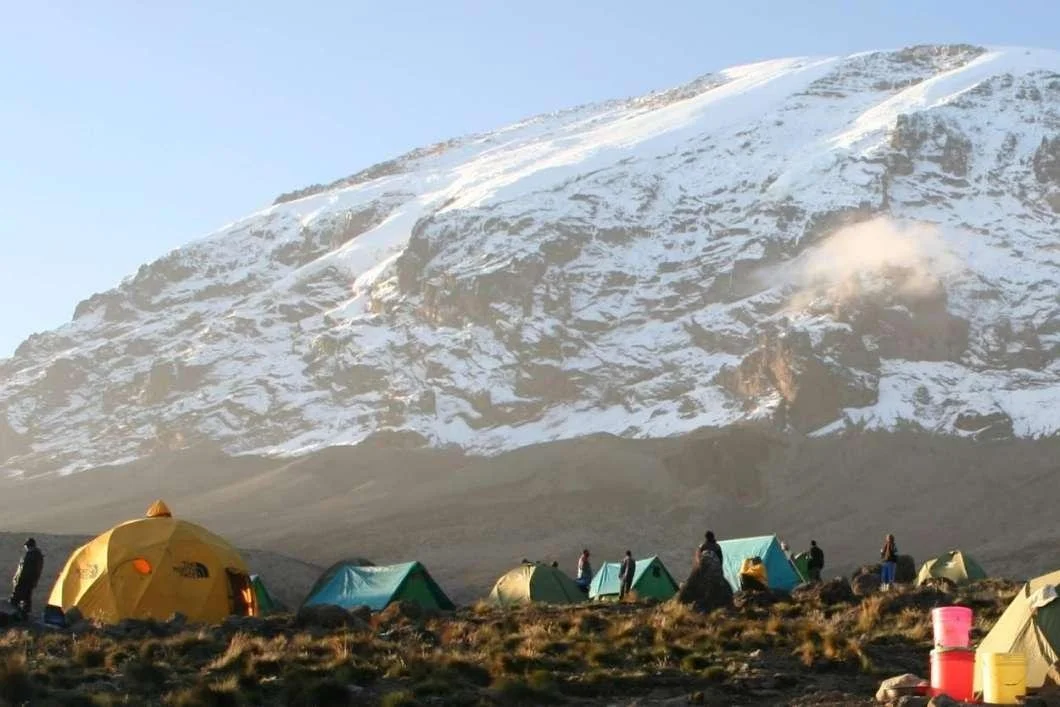
Shira 2 Camp to Barranco Camp via Lava Tower
8th Jan - Day FiveElevation: 3,850m to 4,600m, then down to 3,900m
Distance: 10 km
Hiking Time: 6–8 hours
Habitat: Alpine Desert
Overnight: Barranco Camp
This is one of the most important acclimatization days on the Lemosho Route. After breakfast, you will trek steadily toward Lava Tower, a large volcanic rock formation located at around 4,600 meters. The trail becomes drier and more rugged as you enter the alpine desert zone. Although you gain a lot of altitude during the day, you will descend again to sleep at Barranco Camp. This follows the important “climb high, sleep low” principle, which helps your body adapt better to high altitude. Some climbers may feel the effects of altitude on this day, so it is important to walk slowly, drink enough water, and listen to your guides. After reaching Lava Tower, you will descend into the beautiful Barranco Valley. The scenery changes again, with giant groundsels and dramatic mountain views. You will arrive at Barranco Camp, located below the famous Barranco Wall.
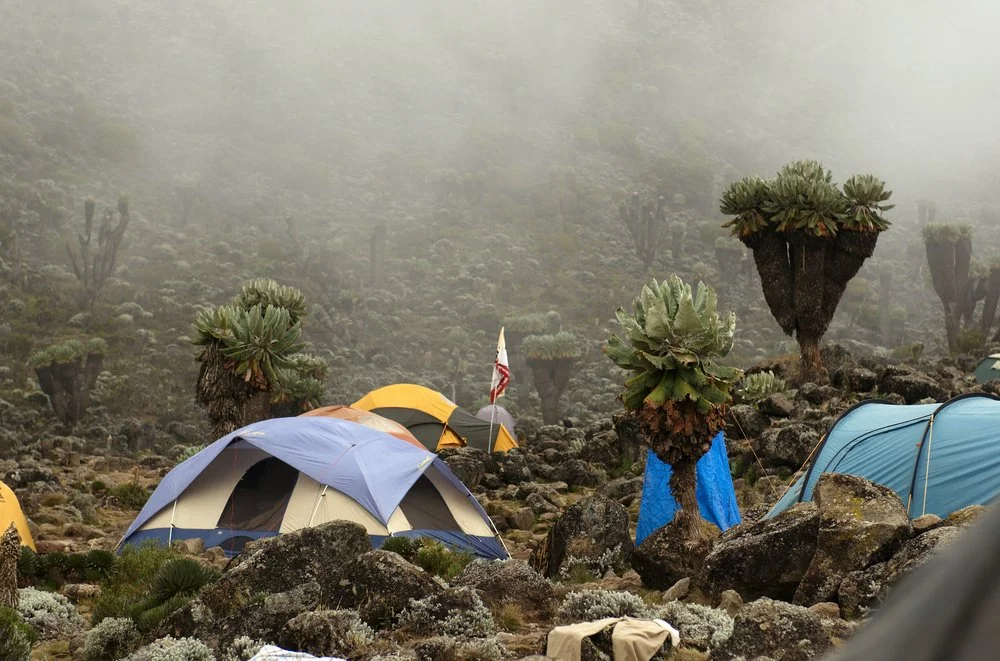
9th Jan - Day SixBarranco Camp to Karanga Camp
Elevation: 3,900m to 3,995m
Distance: 5 km
Hiking Time: 4–5 hours
Habitat: Alpine Desert
Overnight: Karanga Camp
After breakfast, you will begin the day by climbing the famous Barranco Wall. From the camp, the wall may look difficult, but it is manageable with guidance and careful steps. This section is one of the most exciting and memorable parts of the climb. Once you reach the top of the Barranco Wall, you will be rewarded with amazing views of the mountain and surrounding valleys. The trail then continues across ridges and small valleys before descending and climbing again toward Karanga Camp. This is a shorter hiking day, which gives your body more time to rest and acclimatize. Karanga Camp is an important stop before moving higher to Barafu Camp. In the afternoon, you can relax, eat well, and prepare for the next stage of the climb.
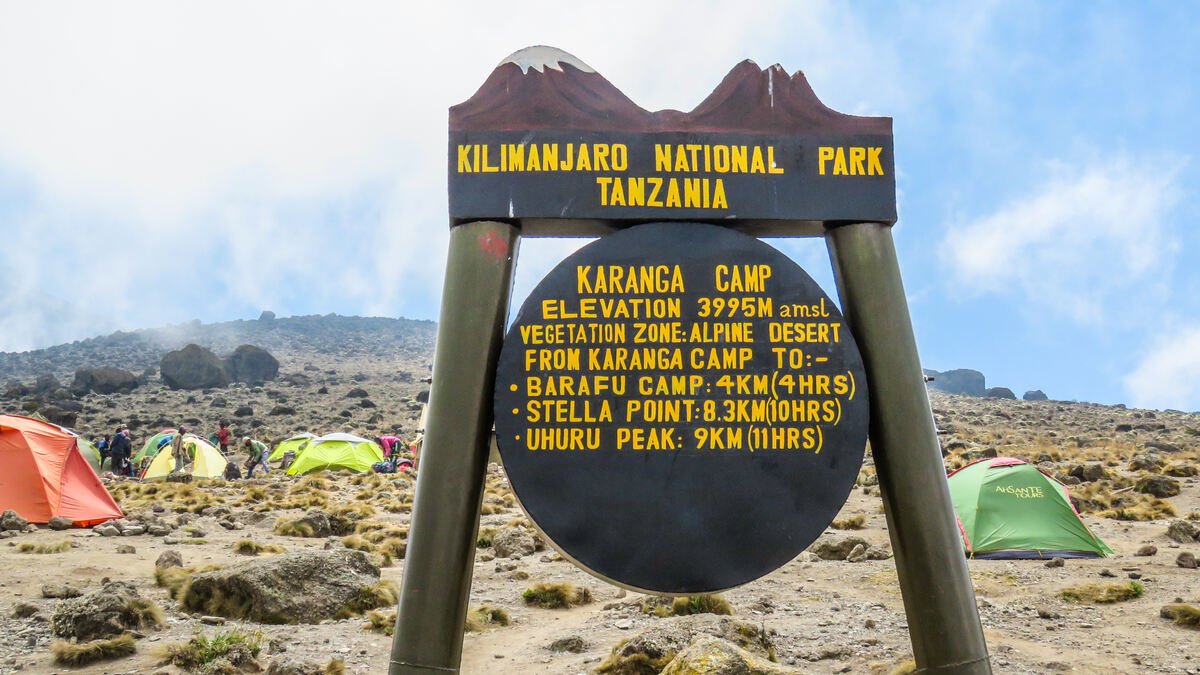
10th Jan - Day SevenKaranga Camp to Barafu Camp
Elevation: 3,995m to 4,673m
Distance: 4 km
Hiking Time: 3–4 hours
Habitat: Alpine Desert
Overnight: Barafu Camp
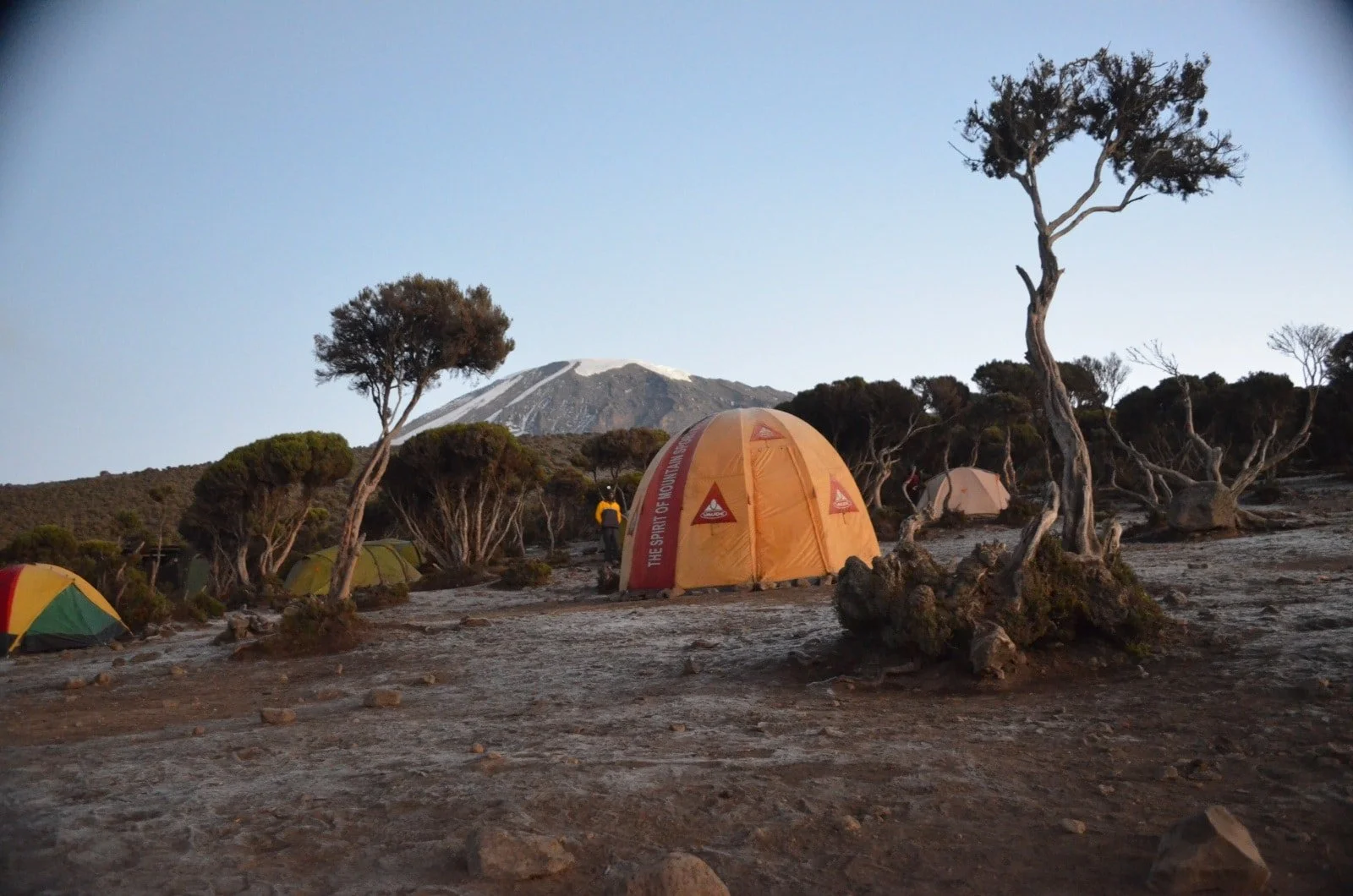
Today’s trek is shorter but more serious because you are moving closer to the summit zone. After breakfast, you will continue steadily toward Barafu Camp, which serves as the base camp for the summit attempt. The landscape is rocky, dry, and exposed, with very little vegetation. As you approach Barafu Camp, you will see impressive views of Mawenzi and Kibo peaks. Upon arrival, your guides will brief you about the summit night. You will have an early dinner and rest as much as possible because the final ascent usually begins around midnight. This day is important for mental and physical preparation. You should organize your warm clothing, headlamp, water, snacks, gloves, and other summit gear before going to sleep.
Barafu Camp to Uhuru summit, then Mweka Camp
11th Jan - Day EightElevation: 4,673m to 5,895m, then down to 3,100m
Distance: 17 km
Hiking Time: 10–14 hours
Habitat: Arctic Zone and Rainforest Edge
Overnight: Mweka Camp
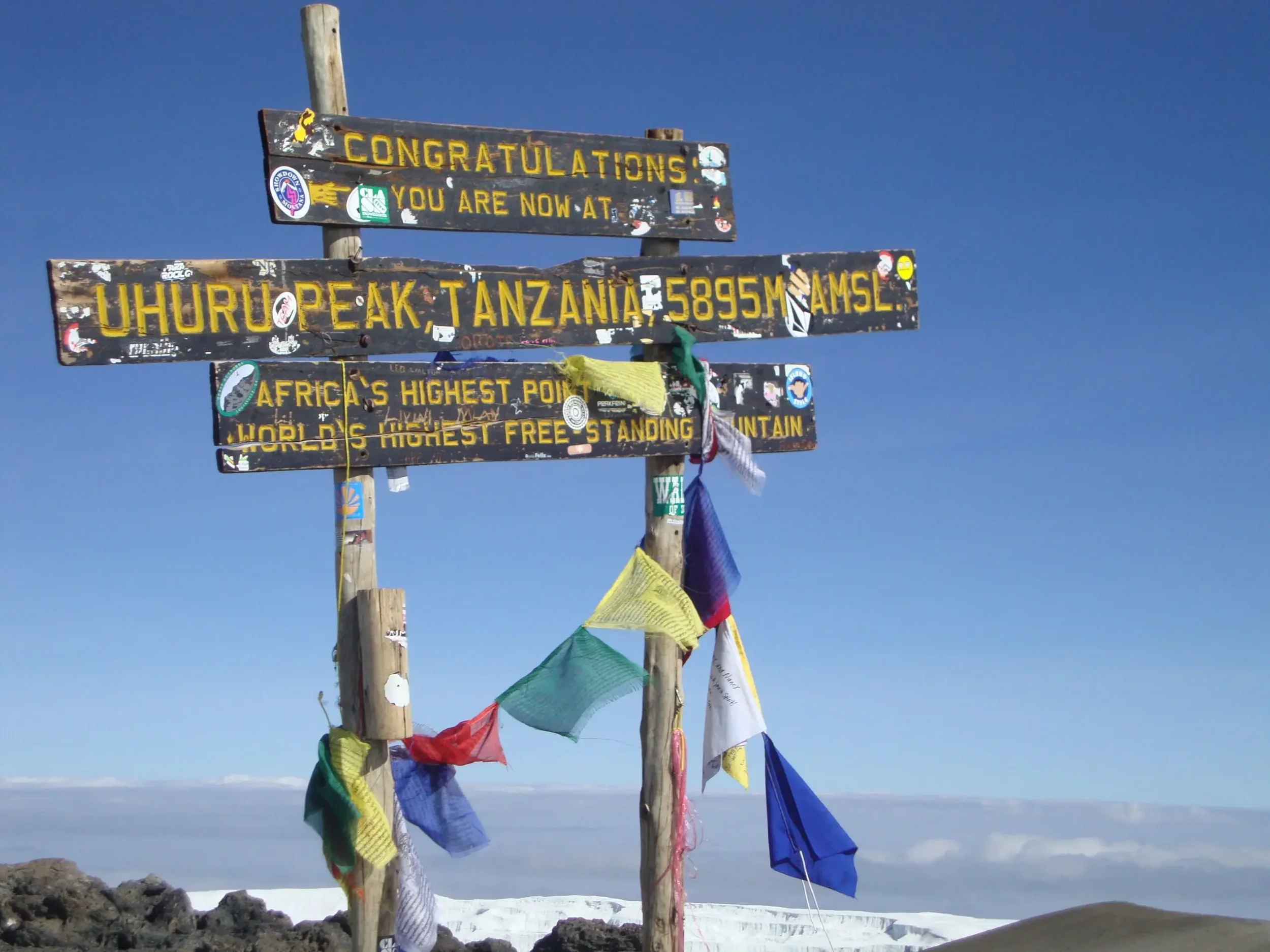
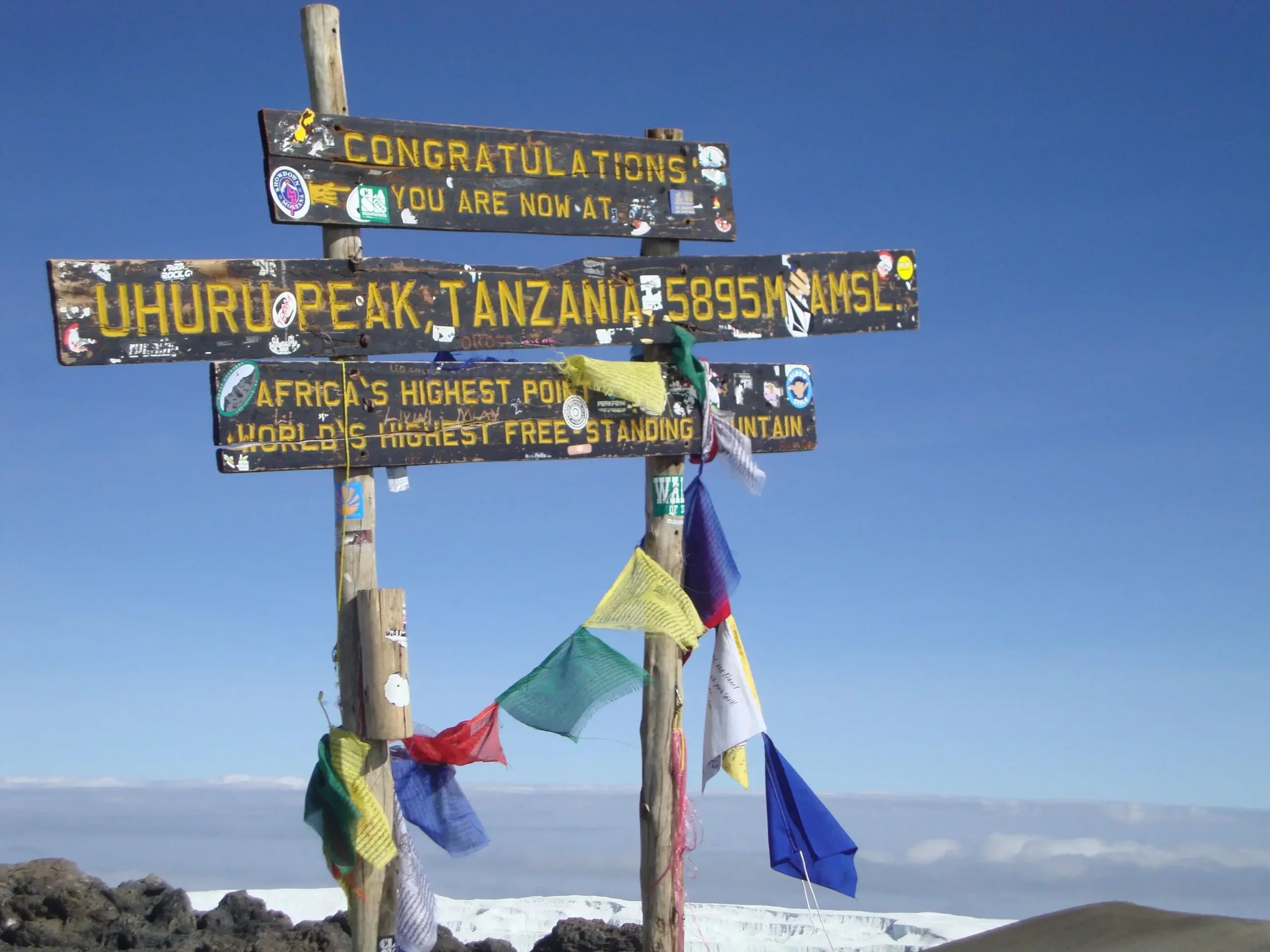
This is the most challenging and rewarding day of the entire climb. You will wake up around midnight and begin the slow ascent toward the summit. The climb is cold, dark, and physically demanding, so you will move slowly with your guides, step by step. The trail climbs steeply toward Stella Point on the crater rim. Reaching Stella Point is a major achievement. From there, you will continue along the crater rim toward Uhuru Peak, the highest point in Africa at 5,895 meters. If the weather is clear, you may enjoy a beautiful sunrise over the mountain. At Uhuru Peak, you will have time to celebrate, take photos, and enjoy the feeling of reaching the Roof of Africa. Afterward, you will descend back to Barafu Camp for a short rest and meal before continuing down to Mweka Camp. The descent is long, but as you lose altitude, breathing becomes easier. You will arrive at Mweka Camp for dinner and your final night on the mountain.
12th Jan - Day NineMweka Camp to Mweka Gate
Elevation: 3,100m to 1,640m
Distance: 10 km
Hiking Time: 3–4 hours
Habitat: Rainforest
After breakfast, you will begin your final descent through the rainforest to Mweka Gate. The trail may be muddy, especially after rain, so trekking poles can be helpful. As you walk down, you will enjoy the return of warmer temperatures, thicker vegetation, and fresh forest air. At Mweka Gate, you will complete the park checkout process. Successful climbers will receive their Kilimanjaro summit certificates. You will then be transferred back to Moshi or Arusha for a well-deserved shower, rest, and celebration.
Overnight: Kilimanjaro White House Hotel
Safari - Arusha to Tarangire National Park
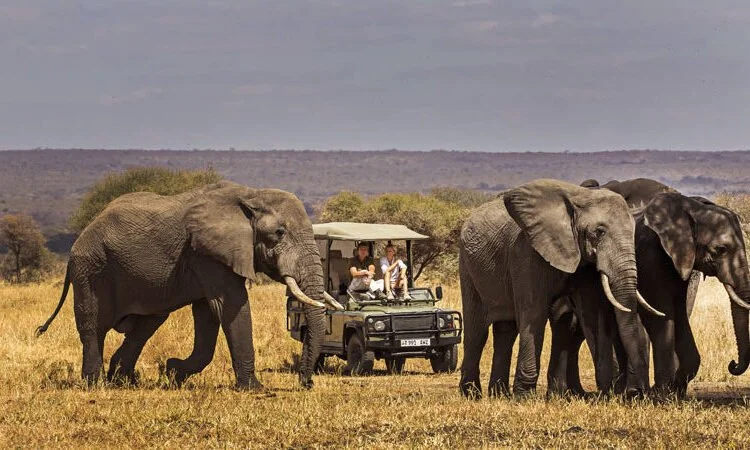
13th Jan - Day TenYour adventure begins early in the morning as you depart from Arusha, heading southwest towards Tarangire National Park. The drive itself is a scenic journey through the Tanzanian countryside, offering glimpses of everyday life in the rural areas. Upon arrival at Tarangire, you'll immediately notice the park's unique landscape, characterized by vast baobab trees and sprawling savannahs. Tarangire is renowned for its large elephant herds, and as you embark on your first game drive, you’re likely to encounter these gentle giants roaming freely. The park is also home to an array of wildlife, including lions, giraffes, zebras, and various antelope species. Bird enthusiasts will be delighted by the variety of birdlife, with over 500 species recorded here. As the day progresses, you'll enjoy a packed lunch in a designated picnic area within the park, surrounded by the sounds and sights of nature. In the late afternoon, you’ll continue your exploration, possibly witnessing the wildlife congregating around the Tarangire River, a crucial water source during the dry season.
After a full day of adventure, you’ll exit the park and head to your accommodation in the nearby area, where you can relax and reflect on the day's experiences under the African sky. Accommodation: Ngare Lodge or Similar
Safari - Tarangire to Ngorongoro Crater and Return to Arusha
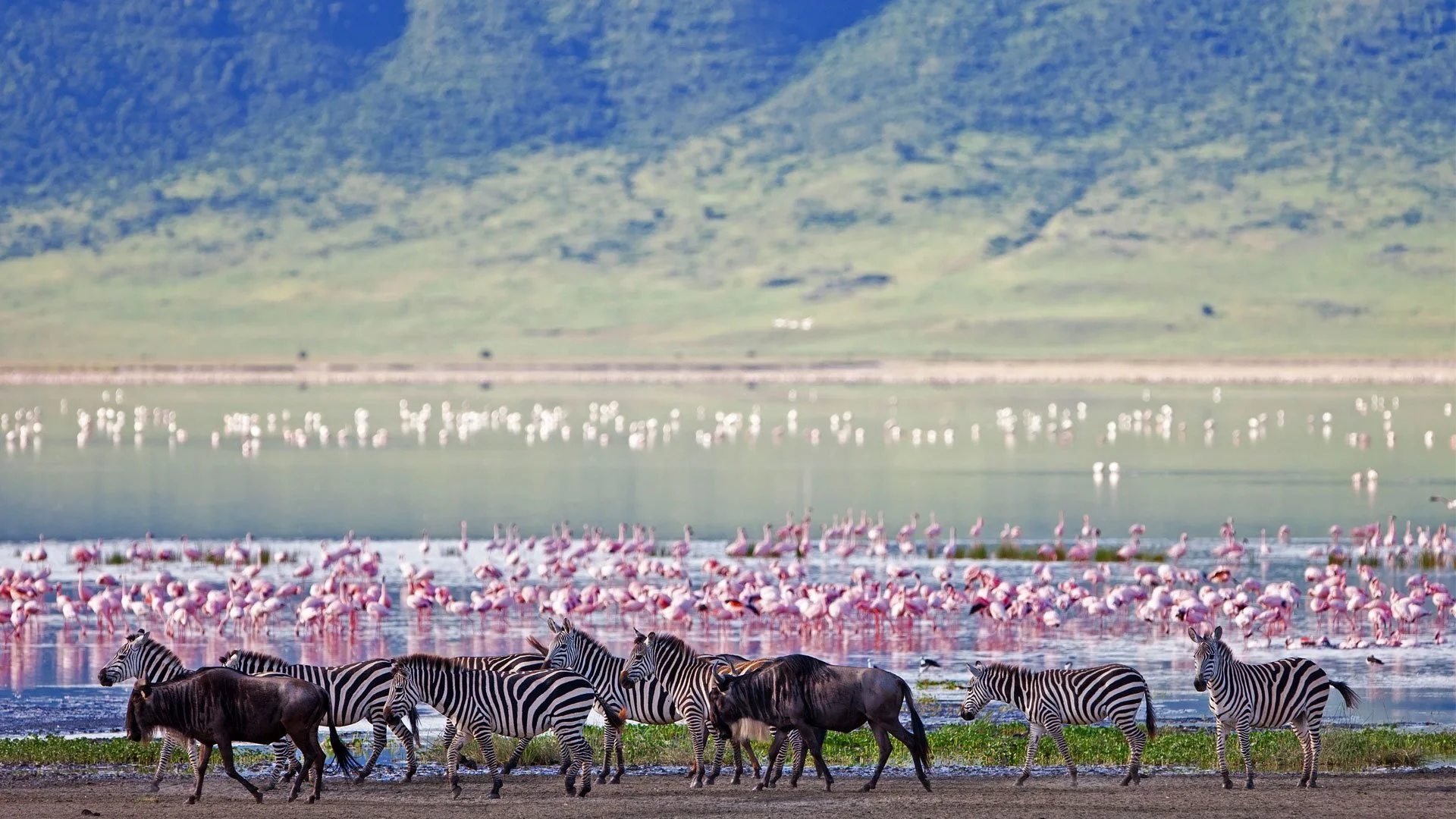
14th Jan - Day ElevenAfter an early breakfast, you’ll depart for the Ngorongoro Conservation Area, a UNESCO World Heritage Site known for its stunning landscape and dense wildlife population. The journey takes you through the highlands, offering breathtaking views as you approach the rim of the Ngorongoro Crater. Upon arrival, you’ll descend into the crater, an ancient volcanic caldera that now serves as a natural sanctuary for a wide variety of animals. The crater floor is a mosaic of grassy plains, swamps, and woodlands, providing ideal habitats for numerous species. During your game drive, you’ll have the chance to spot the "Big Five" – lions, elephants, buffalos, leopards, and the endangered black rhino. In addition to these iconic animals, you might also see wildebeest, zebras, hyenas, and a variety of birds, including flamingos near the crater’s central soda lake, Lake Magadi. Around midday, you’ll take a break at a picnic site, enjoying your lunch amidst the incredible scenery. In the afternoon, you’ll continue exploring the crater, perhaps catching a glimpse of a lion stalking its prey or a rhino grazing in the distance. As the day comes to an end, you’ll ascend back to the crater rim and begin your journey back to Arusha. This marks the conclusion of your unforgettable safari, with memories of Tanzania’s extraordinary wildlife and landscapes to last a lifetime.
Accommodation: Green Mountain Hotel or Similar
15th Jan - Day TwelveAfter an unforgettable journey of mountain summits, wildlife encounters, and incredible experiences, it’s time to say goodbye to Tanzania.
Depending on your flight schedule, you may have time to relax, explore Moshi, or simply reflect on the adventure before your airport transfer.
From the Roof of Africa to the wild landscapes of the safari, this expedition is designed to leave you with memories, friendships, and experiences that will stay with you forever.
Airport transfers can be arranged, and assistance with onward travel or flight bookings is available if required.
Until the next adventure.
Goodbye Tanzania
DATES & PRICES
jANUARY 4-14TH 2027 & 2028 - SUMMIT & sAFARI - £4049pp
*£500 non refundable deposit to secure your spot & remainder to be paid no later than 30 days before departure.
what is included?
• Kilimanjaro National Park fees
• Camping fees
• Rescue fees
• Airport transfers
• Hotel accommodation before and after the climb
• Professional mountain guides
• Mountain cook
• Porters to carry all of your equipment etc.
• All meals during the climb
• Drinking water during the trek
• Camping equipment, including tents and sleeping mats
• Transport from Moshi or Arusha to Londorossi Gate
• Transport from Mweka Gate back to Moshi or Arusha
• Oxygen cylinder for emergency use
• Pulse oximeter for health checks
• Kilimanjaro summit certificate after successful climb
• Expedition WhatsApp group
• Support calls to arrange logistics / flights etc. if necessary
What is not included?
• International and domestic flights *
• Tanzania visa *
• Travel insurance *
• Personal climbing gear
• Sleeping bag, unless rented
• Tips for guides, cook, and porters
• Personal expenses
• Alcoholic drinks and soft drinks
• Laundry services
• Medical expenses
**We can help you arrange flights, visa, and travel insurance at the best prices available.
travel insurance
All guests must have suitable travel insurance that covers trekking and adventure activities. We recommend True Traveller because it's designed for adventure travel and we've partnered with them to offer cover.