
The Complete Madagascar Travel Guide
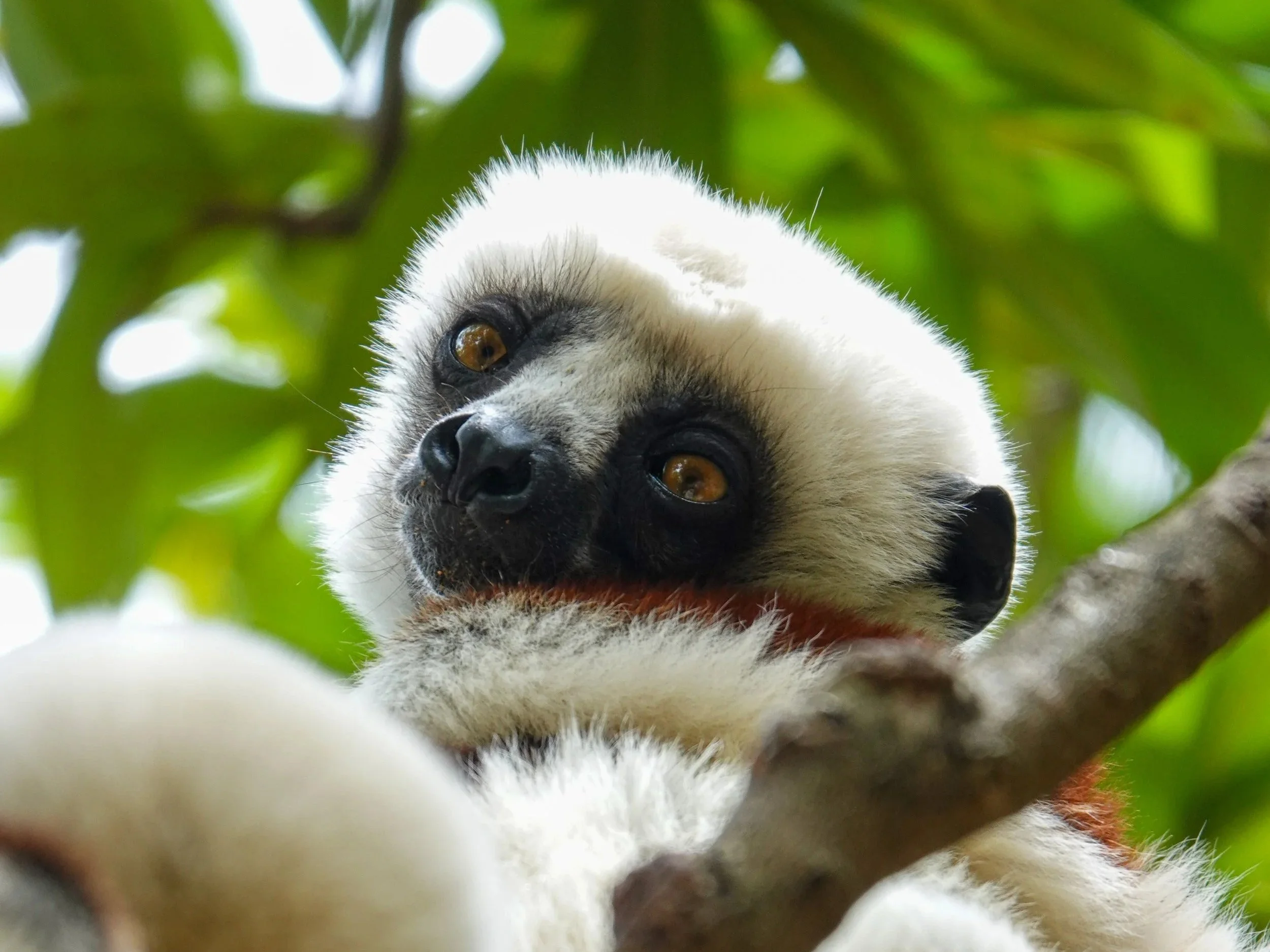
Everything you need to know before visiting one of the most extraordinary places on Earth
Madagascar does not feel like an ordinary holiday destination.
It is an enormous island of rainforests, dry deciduous woodland, limestone pinnacles, remote villages, highland cities and ancient baobabs. Its wildlife has evolved in isolation for millions of years, creating animals and plants found nowhere else on Earth.
You can wake to the calls of indri lemurs echoing through the eastern rainforest, search for chameleons and leaf-tailed geckos after dark, explore the dry forest in the hope of finding a fossa, cross rope bridges between the razor-sharp pinnacles of the Tsingy and watch the sun disappear behind the Avenue of the Baobabs.
But Madagascar is not a destination you should visit without preparation.
Distances are deceptive, roads can be slow, domestic flights may change, wildlife sightings are never guaranteed and some of the country’s greatest locations are difficult to reach. The reward is an adventure that feels far less commercialised and far more unpredictable than most established wildlife destinations.
This complete guide explains when to visit Madagascar, where to go, what wildlife you may see, how to travel around, what to pack, what you should understand before booking your journey, and why Madagascar is my favourite place on earth.
Madagascar at a glance
Capital: Antananarivo
Location: Indian Ocean, off the southeast coast of Africa
Official languages: Malagasy and French
Currency: Malagasy ariary
Time zone: East Africa Time
Best general travel period: April to December
Rainiest period: Usually January to March
Main international airport: Ivato International Airport, Antananarivo
Famous for: Lemurs, chameleons, fossas, baobabs, rainforests, coral reefs and the Tsingy
Ideal trip length: At least 10–14 days
Travel style: Wildlife, adventure, photography, hiking and cultural exploration
Main challenge: Slow and unpredictable transport
Madagascar is the fourth-largest island in the world and supports rainforests, dry forests, plateaus, wetlands, arid landscapes and extensive coastlines within one country.
Why visit Madagascar?
Madagascar offers something increasingly rare in modern travel: a genuine feeling of discovery.
This is not a destination built around one famous attraction. The experience changes completely depending on where you travel.
In the east, dense rainforest protects indri, sifakas, bamboo lemurs, chameleons, frogs and extraordinary nocturnal reptiles. In the west, dry forests support fossas, mouse lemurs and Verreaux’s sifakas. The limestone wilderness of Bemaraha creates one of the most dramatic hiking landscapes on Earth, while the coast offers reefs, whales, sharks, turtles and tropical islands.
Madagascar is particularly rewarding for:
Wildlife enthusiasts
Wildlife photographers
Reptile and amphibian enthusiasts
Birdwatchers
Adventure travellers
Hikers
Families with curious and capable children
Travellers who value rare experiences over luxury
People comfortable with unpredictable journeys
It may be less suitable for someone expecting perfectly reliable transport, fast journeys, constant internet access or a highly polished resort-style experience.
What makes Madagascar’s wildlife so special?
Madagascar separated from other landmasses over an immense period of geological time. Its isolation allowed wildlife to evolve independently, producing exceptional levels of endemism.
The island is best known for lemurs, which occur naturally nowhere else. However, its wildlife also includes fossas, tenrecs, endemic rodents, hundreds of bird species, numerous chameleons, leaf-tailed geckos, day geckos, snakes, frogs and an extraordinary variety of insects and plants.
The country’s national tourism authority describes Madagascar’s endemic fauna and flora as one of its defining attractions and promotes wildlife watching, trekking, birding, photography and ecotourism as core experiences.
Madagascar is not generally a destination for seeing huge herds across open plains. Wildlife encounters are often more intimate and require patience.
You may spend time listening for calls, scanning dense vegetation, following a guide’s finger towards an almost invisible gecko or walking through the forest at night searching for eyeshine.
That process is part of the experience.
The best places to visit in Madagascar
Madagascar is too large and its transport too slow to cover everything properly in one short trip.
It is better to choose a carefully connected route than to attempt to visit every region. If you join our Madagascar Expedition, we have specially selected the best bits!
Andasibe
Andasibe is one of Madagascar’s most accessible and rewarding rainforest destinations.
Located east of Antananarivo, the region is known for the indri, the largest living lemur. Its powerful call can carry through the forest and is one of Madagascar’s most unforgettable natural sounds.
The wider Andasibe area includes several protected forests and reserves, including:
Analamazaotra National Park
Mantadia National Park
VOIMMA Community Reserve
Mitsinjo Reserve
Maromizaha Forest
Vakona’s Lemur Island
Each location offers a slightly different experience.
Analamazaotra is particularly well known for indri encounters. Mantadia provides a larger and often more demanding rainforest environment. Community and private reserves can offer productive night walks for chameleons, geckos, frogs and nocturnal lemurs.
Our own 14-day route spends four nights in Andasibe and includes Analamazaotra, VOIMMA, Mantadia, Vakona, Maromizaha and Mitsinjo before returning to Antananarivo.
How long should you spend in Andasibe?
Allow at least two full days.
Three or four days is better for serious wildlife enthusiasts because it gives you time to explore several forests, complete day and night walks and account for changing weather and wildlife activity.
Kirindy Forest
Kirindy provides a completely different environment from the eastern rainforests.
This western dry deciduous forest is one of Madagascar’s most famous locations for searching for the fossa, the island’s largest native carnivorous mammal. Sightings are never guaranteed, but Kirindy offers one of the better opportunities to encounter one.
Other possible wildlife includes:
Verreaux’s sifakas
Red-fronted brown lemurs
Mouse lemurs
Giant jumping rats
Tenrecs
Reptiles
Nocturnal birds
Insects and spiders
Both daytime and nighttime walks are worthwhile.
During the day, the forest may appear quiet until a sifaka leaps between trees. At night, the environment changes completely as guides search for nocturnal mammals, reptiles and reflective eyes.
Our expedition includes an evening walk after arriving in Kirindy and another forest visit the following morning before continuing towards Bemaraha.
Tsingy de Bemaraha
Tsingy de Bemaraha is one of Madagascar’s most extraordinary landscapes.
The word tsingy refers to formations of sharp limestone pinnacles created through erosion over immense periods. The result is a stone forest of narrow passages, caves, canyons and jagged peaks.
The protected western dry forests associated with Tsingy de Bemaraha form part of the UNESCO-listed Andrefana Dry Forests property. The original Bemaraha site entered the World Heritage List in 1990 and was extended in 2023 as part of the larger serial property.
There are usually two main visitor experiences.
Small Tsingy
The Small Tsingy generally provides a shorter and more accessible introduction to the limestone formations.
Routes can include narrow passages, viewpoints and uneven rocky terrain, but they are normally less demanding than the principal Big Tsingy circuits.
Big Tsingy
The Big Tsingy is the more adventurous experience.
Depending on the chosen circuit, it may involve:
Steep ladders
Narrow rock passages
Scrambling
Harness-protected sections
Fixed cables
Exposed viewpoints
Suspension bridges
Caves
Long periods on sharp and uneven terrain
It is not a technical rock climb, but it demands mobility, confidence and a reasonable head for heights.
The area’s remoteness makes the journey difficult, but that isolation is also part of its appeal. Madagascar’s official tourism site describes Bemaraha as one of the country’s most spectacular landscapes.
Our route includes a dugout excursion on the Manambolo River, cave visits, the Small Tsingy and a full day dedicated to the Big Tsingy.
Avenue of the Baobabs
The Avenue of the Baobabs is one of Madagascar’s most iconic landscapes.
Towering baobab trees line the road between Morondava and the surrounding western region. Their thick trunks and sparse branches create silhouettes that appear almost prehistoric.
The avenue is especially atmospheric at sunset, when the trees stand against an orange and red sky.
It is worth visiting more than once if your itinerary permits. Light, cloud cover, crowds and weather can completely change the photographs.
Our itinerary passes through the baobab landscape while travelling towards Kirindy and returns for sunset on the journey back to Morondava.
Morondava
Morondava is the main gateway to several of western Madagascar’s most famous attractions.
Travellers commonly use it as a base for:
Avenue of the Baobabs
Kirindy Forest
Tsingy de Bemaraha
Coastal relaxation
Fishing villages
Baobab photography
It is reached by domestic flight or a long road journey from Antananarivo.
Morondava itself is useful for resting between demanding overland sections. The most significant experiences are generally found outside the town.
Antananarivo
Antananarivo, often shortened to Tana, is Madagascar’s capital and the main entry point for most international travellers.
The city is built across hills and includes busy streets, historic architecture, markets, rice fields and expanding urban neighbourhoods.
It can feel chaotic when you first arrive.
Traffic is heavy, journeys across the city can take longer than expected and visitors should be careful with phones, cameras and valuables.
Antananarivo is more than an airport stop, however. Depending on your schedule, possible attractions include:
The historic upper city
The Queen’s Palace area
Local markets
Restaurants
Cultural sites
Craft shops
Viewpoints across the surrounding hills
Our itinerary includes a final city tour before transferring guests to the airport.
Ranomafana National Park
Ranomafana is one of Madagascar’s most famous rainforest parks and is commonly included on southern overland itineraries.
It is known for its lemurs, birds, reptiles, frogs and lush mountainous forest.
The park is particularly associated with bamboo lemurs, although sightings vary and should never be guaranteed.
Ranomafana can be combined with the RN7 route, which continues south through Madagascar’s central highlands towards Isalo and Toliara.
Isalo National Park
Isalo offers a dramatic contrast to Madagascar’s rainforests.
Its sandstone formations, canyons, grasslands, natural pools and open scenery create one of the country’s best-known hiking destinations.
The landscape is the main attraction, although lemurs and birds can also be encountered.
It is commonly visited as part of the RN7 route.
Nosy Be
Nosy Be is Madagascar’s most established island destination.
It attracts travellers looking for:
Beaches
Diving
Snorkelling
Whale watching
Marine wildlife
Island excursions
Resorts
A more relaxed end to a wildlife journey
It provides a different style of experience from the remote forests and overland journeys of the mainland.
Travellers should still take normal security precautions, particularly when visiting isolated beaches or moving around after dark. FCDO advice notes incidents of robbery and assault in coastal areas including Nosy Be and advises seeking local guidance.
Sainte-Marie
Île Sainte-Marie, also known as Nosy Boraha, lies off Madagascar’s eastern coast.
It is known for tropical scenery, beaches and seasonal humpback-whale watching.
Weather and sea conditions vary, and access can be affected during the wetter months.
When is the best time to visit Madagascar?
For most wildlife and overland trips, the best general period is from April to December.
The dry season usually runs from approximately April through October, although regional differences are significant. Madagascar’s official tourism guidance warns that some national parks become inaccessible during the rainy season between January and March.
There is no single perfect month for every activity.
Your choice should depend on whether you prioritise dry roads, reptiles, baby lemurs, birding, whale watching, warmer weather or fewer visitors.
January to March
This is the main rainy and cyclone period in many areas.
Possible conditions include:
Heavy rainfall
High humidity
Difficult roads
Park closures
Flooding
Disrupted domestic flights
Cyclone risk
Lush vegetation
High reptile and amphibian activity in accessible areas
Some remote western destinations, including Bemaraha, may be inaccessible.
This period can suit specialist travellers with flexible plans, but it is not the safest choice for a first comprehensive overland trip.
April and May
The rain begins to ease and landscapes remain green.
These months can provide:
Fewer visitors
Active wildlife
Green forests
Improving roads
Comfortable temperatures
Some remaining rain
Remote routes should still be confirmed because seasonal reopening does not occur on an identical date every year.
June to August
These are cooler and generally drier months.
They can be excellent for trekking and western travel, although nights in the highlands and rainforest can feel cold.
Possible advantages include:
More reliable road access
Lower humidity
Comfortable daytime hiking
Good general wildlife travel conditions
Possible disadvantages include:
Cooler mornings
Less reptile activity during cold periods
Busier popular sites
Cold nights in Antananarivo and Andasibe
September and October
These are among the strongest all-round months for many wildlife itineraries.
Temperatures begin to rise, roads are generally accessible and wildlife activity can be excellent.
October can be particularly attractive for wildlife enthusiasts because reptiles, birds and young animals may become more active as warmer and wetter conditions approach.
Madagascar’s tourism authority specifically highlights October to December as a rewarding birdwatching period.
November and December
These months can be hot, increasingly humid and biologically active.
They may offer:
High reptile and amphibian activity
Active birds
Young lemurs
Dramatic skies
Warm conditions
However, rain becomes more likely and roads may begin deteriorating.
What is the weather like?
Madagascar’s climate varies greatly across the island.
The eastern coast is generally wetter and more humid. The central highlands are cooler. Western Madagascar has a pronounced dry season, while the south and southwest can be arid.
The island’s climate ranges from tropical coastal conditions to temperate highlands and dry southern landscapes.
Antananarivo and the central highlands
Expect warm days and potentially cool evenings.
During the austral winter, nighttime temperatures can feel surprisingly cold, particularly inside buildings that are not heavily insulated.
Andasibe and eastern Madagascar
Expect rainforest conditions:
Humidity
Frequent showers
Muddy paths
Rapid weather changes
Cool mornings during winter
Warm and wet periods later in the year
A lightweight waterproof jacket and quick-drying clothing are useful throughout the year.
Morondava, Kirindy and Bemaraha
Western Madagascar is generally warmer and drier during the principal travel season.
Days can be hot and dusty, while early morning wildlife walks may feel cooler.
The journey to Bemaraha becomes extremely difficult or impossible during parts of the wet season.
How many days do you need in Madagascar?
Madagascar deserves more time than its map may suggest.
A week allows only one limited region.
Ten to fourteen days can produce an excellent focused journey. Three weeks allows multiple ecosystems without rushing excessively.
Seven days
Choose one area.
For example:
Antananarivo and Andasibe
Morondava and Kirindy
Nosy Be
A short section of the RN7 route
Ten to fourteen days
This is ideal for a substantial first visit.
You could combine:
Andasibe
Morondava
Kirindy
Tsingy de Bemaraha
Avenue of the Baobabs
Our 14-day itinerary follows this structure, using a domestic flight between Antananarivo and Morondava to connect the eastern rainforest with western Madagascar.
Three weeks
A longer trip might combine:
Eastern rainforest
Western dry forest
Tsingy
Southern national parks
Beach or marine extension
Do not assume that three weeks means you can see the entire island. Transport consumes a substantial amount of time.
Getting to Madagascar
Most international visitors arrive at Ivato International Airport near Antananarivo.
Direct flight availability depends on your origin and current airline schedules. Travellers from the United Kingdom usually connect through another international hub.
Common connection regions may include:
Mainland Africa
Mauritius
Réunion
The Middle East
Europe
Flight schedules can change, so do not build a tightly connected itinerary around an unprotected short connection.
Arriving at least one day before a group expedition begins provides protection against missed connections, delayed luggage and schedule disruption.
Entry requirements and visas
Entry rules can change and should always be checked against official government advice shortly before travel.
For British citizens travelling on a full British passport, current FCDO guidance states that visits of up to 15 days can be made without a visa, although a €10 administration fee is payable on arrival and travellers should be ready to show onward or return travel. Longer stays require the appropriate visa arrangements.
Your passport should comply with Madagascar’s current validity and blank-page requirements.
You may also be asked for:
Proof of onward or return travel
Accommodation details
Evidence of sufficient funds
Yellow-fever certification where applicable
Details of your itinerary
Travellers of other nationalities should check the rules applying to their own passports.
Never rely entirely on a travel blog for entry requirements.
Yellow fever entry rules
Madagascar itself is not considered a yellow-fever-risk country, but a certificate may be required if you arrive from or spend an extended airport transit in a country where yellow fever transmission occurs.
TravelHealthPro states that a certificate is required for travellers over nine months old arriving from a yellow-fever-risk country, including those who have spent more than 12 hours transiting through an airport in a risk country.
This can matter when your journey connects through another African country.
Check your entire flight route, not only your departure country.
Health and vaccinations
Arrange a travel-health consultation ideally four to six weeks before departure.
Recommended vaccinations depend on:
Your medical history
Your vaccination record
Your age
Your itinerary
Length of stay
Accommodation
Planned activities
Current outbreaks
TravelHealthPro lists typhoid among the vaccinations recommended for most travellers and provides additional advice on hepatitis, rabies, polio and mosquito-borne disease according to individual circumstances.
Make sure routine UK vaccinations are current, including appropriate protection against:
Tetanus
Diphtheria
Polio
Measles, mumps and rubella
Do not copy another traveller’s medication or vaccine decisions. Obtain personalised clinical advice.
Malaria in Madagascar
Malaria is a significant consideration.
CDC guidance identifies malaria transmission throughout Madagascar, except that transmission in Antananarivo is considered rare. Prescription preventive medication is recommended for travellers visiting risk areas.
Your clinician may discuss different antimalarial options based on:
Medical history
Other medication
Pregnancy
Age
Destination
Trip duration
Side-effect profile
Malaria prevention also requires avoiding mosquito bites.
Useful precautions include:
Insect repellent
Long sleeves and trousers
Mosquito nets where required
Screened or air-conditioned rooms where available
Taking prescribed medication correctly
Continuing tablets for the required period after leaving
Seek urgent medical advice if you develop a fever during or after travel and clearly tell the clinician that you have visited a malaria-risk country.
UK travel-health guidance recommends obtaining pre-travel advice early, using bite prevention and taking prescribed antimalarial medication correctly.
Other health considerations
Depending on current conditions and your itinerary, risks may include:
Dengue
Chikungunya
Rabies
Foodborne illness
Traveller’s diarrhoea
Dehydration
Heat illness
Sunburn
Respiratory infection
Insect bites
Leptospirosis
Plague in certain regions and seasons
Mpox or other active outbreaks
TravelHealthPro reported an mpox outbreak across multiple regions of Madagascar during 2025–2026. Because outbreak situations change, travellers should check current health notices before departure rather than relying on older information.
Avoid touching dogs, cats, bats, lemurs or other mammals.
Even apparently healthy animals can bite or scratch. Immediate wound cleaning and urgent medical assessment are essential after a potential rabies exposure.
Food and water safety
Stomach illness can seriously affect an itinerary, especially when travelling through remote regions.
Reduce your risk by:
Drinking sealed or properly treated water
Checking bottle seals
Avoiding untreated tap water
Using safe water when brushing teeth where advised
Choosing freshly cooked hot food
Avoiding food left standing for long periods
Washing or peeling fruit
Cleaning hands before eating
Being cautious with ice
Carrying oral rehydration salts
Do not assume that expensive accommodation completely removes food and water risk.
Carry medication recommended by your clinician and tell your guide promptly if you become unwell.
Healthcare and travel insurance
Medical facilities outside Antananarivo can be limited.
Serious illness or injury may require evacuation to the capital or another country. FCDO advice recommends checking that your destination can provide the healthcare you may need and ensuring your insurance covers local treatment and emergency medical evacuation.
Your insurance should specifically cover:
Madagascar
Your full travel dates
Wildlife walks
Hiking
Tsingy activities
Remote-road travel
Domestic flights
Emergency evacuation
Medical repatriation
Trip cancellation
Missed departures
Lost luggage
Any declared health conditions
Read the policy wording rather than assuming that “adventure cover” includes every activity.
Is Madagascar safe?
Madagascar can be visited safely with informed planning, but visitors should not treat it as risk-free.
Common concerns include:
Pickpocketing
Bag theft
Phone snatching
Mugging
Vehicle crime
Highway robbery in particular areas
Political demonstrations
Unsafe driving
Remote medical access
Isolated beach crime
FCDO guidance states that robbery and theft are common and that foreigners may be targeted by pickpockets and muggers. It also advises avoiding political gatherings because demonstrations can become violent and disrupt roads.
Practical safety advice
Do not display large amounts of cash.
Keep phones and cameras secure in cities.
Avoid walking alone after dark.
Use trusted drivers and recognised operators.
Keep vehicle doors locked where appropriate.
Do not leave valuables visible.
Avoid isolated beaches alone.
Follow local advice about roads and districts.
Keep copies of important documents.
Avoid demonstrations and large political gatherings.
Do not photograph police, military or sensitive infrastructure without permission.
Tell your guide before leaving accommodation independently.
Western overland travel should be organised carefully. FCDO advice warns of violent highway robbery on certain western roads, particularly at night, and recommends recognised operators for affected regions.
A professionally organised expedition does not remove every risk, but it greatly reduces the uncertainty surrounding transport, local conditions and remote logistics.
Travelling around Madagascar
Transport is one of the defining features of a Madagascar journey.
Distances that appear manageable on a map can require an entire day.
Road conditions vary from paved highways to deeply rutted tracks, sand, mud, river crossings and seasonal routes.
Private vehicle
A private vehicle with an experienced local driver is usually the most practical option for a wildlife itinerary.
Benefits include:
Flexible stops
Safer luggage handling
Better time management
Local knowledge
Access to remote parks
Support when road conditions change
Vehicle type matters.
A normal minibus may be suitable between Antananarivo and Andasibe, while western routes towards Kirindy and Bemaraha often require four-wheel-drive vehicles.
Our itinerary uses a 16-seat coach between Antananarivo and Andasibe, followed by four 4WD vehicles for the Morondava and Bemaraha section.
Domestic flights
Domestic flights can save enormous amounts of overland travel time.
However, travellers should allow flexibility because schedules may change.
Important precautions include:
Avoid scheduling an international departure immediately after a domestic arrival.
Confirm luggage allowances.
Keep medication and essentials in hand luggage.
Reconfirm times shortly before travel.
Expect possible delays or changes.
Build contingency time into the itinerary.
Our route uses flights between Antananarivo and Morondava to connect the eastern and western sections.
Taxi-brousse
Taxi-brousses are shared local minibuses or buses.
They can be inexpensive and culturally immersive, but journeys may be slow, crowded and unpredictable.
They are better suited to experienced independent travellers with flexible schedules than to guests trying to complete a complex 12-day wildlife itinerary.
Driving yourself
Self-driving can be challenging because of:
Road conditions
Limited signage
Long distances
Night-driving risk
Breakdowns
River crossings
Seasonal closures
Language barriers
Limited emergency assistance
Most first-time visitors will have a better experience using a driver or organised operator.
Why journeys take so long
Madagascar’s road journeys should be considered part of the expedition rather than dead time between attractions.
A route may involve:
Broken road surfaces
Deep potholes
Slow urban traffic
Dust
Mud
Ferry crossings
Road repairs
Livestock
Villages
Weather delays
Mechanical problems
The road between Morondava and Bemaraha is a perfect example.
It is not a simple motorway transfer. It is a remote overland journey requiring suitable vehicles, experienced drivers and time.
Do not plan Madagascar by copying driving times from an online map.
Local operators understand the actual seasonal journey far better.
Accommodation in Madagascar
Accommodation ranges from city hotels and luxury eco-lodges to simple forest lodges, beach resorts and remote camps.
Standards can vary significantly between regions.
In major tourist areas, you may find:
Comfortable rooms
Private bathrooms
Hot water
Restaurants
Swimming pools
Electricity
Wi-Fi
Laundry services
In remote locations, expect:
Limited electricity hours
Slow or unavailable internet
Basic water pressure
Insects
Fans rather than air-conditioning
Generator power
Occasional outages
Simpler meals
Fewer room amenities
This should not be viewed as poor organisation. In some remote regions, limited infrastructure is part of the reality of operating responsibly.
Our itinerary uses Mantadia Lodge in Andasibe, Relais des Plateaux near Antananarivo, Relais du Kirindy, Soleil des Tsingy, Palissandre Côte Ouest in Morondava and Royal Palissandre in the capital.
Food in Madagascar
Malagasy food reflects African, Asian and European influences.
Rice is central to many meals and may be served with meat, fish, vegetables or sauce.
Common foods and dishes may include:
Rice
Zebu beef
Chicken
Fish
Seafood
Beans
Leafy vegetables
Broths
Fruit
French-style bread
Pastries
Local sauces
Coconut-based dishes in coastal regions
Restaurants in established tourism areas may serve Malagasy, French and international dishes.
Travellers with allergies or dietary requirements should communicate them in advance.
Carry written translations of serious allergies in French and, where possible, Malagasy. Do not assume that “dairy-free,” “vegan” or “gluten-free” will always be interpreted in exactly the same way as in the UK.
Remote lodges work with limited supplies, so notice is important.
Money and currency
Madagascar uses the Malagasy ariary.
Cash remains important, particularly outside Antananarivo and major tourism centres.
Cards may be accepted at larger hotels or established businesses, but you should not rely on them everywhere.
Practical advice:
Carry a mixture of payment options.
Withdraw or exchange money in established locations.
Keep small notes for tips and purchases.
Do not carry all cash in one place.
Tell your bank about your travel if required.
Expect unreliable card terminals and internet connections.
Keep emergency cash securely stored.
FCDO entry guidance states that travellers may bring up to 400,000 ariary into the country and must declare foreign cash or travellers’ cheques worth €7,500 or more.
Currency rules and exchange conditions can change, so confirm them before departure.
Tipping in Madagascar
Tipping is appreciated in the tourism industry but should be handled transparently.
People you may wish to tip include:
National guides
Specialist park guides
Drivers
Spotters
Lodge staff
Porters
Boat crews
Restaurant staff
Your operator should provide current guidance on suitable amounts and whether group tipping is preferred.
Do not use sweets, pens or random gifts as substitutes for fair payment.
When giving donations or supplies, work through reputable local organisations or community projects to avoid creating unintended problems.
Languages
Malagasy is spoken throughout the country.
French is widely used in government, tourism and business. English is spoken by some guides and hotel staff but is less widely understood outside tourism settings.
Useful French phrases can make travel easier.
A few basic Malagasy greetings are also appreciated.
Useful expressions
Salama — Hello
Misaotra — Thank you
Veloma — Goodbye
Azafady — Please or excuse me
Pronunciation and regional use vary, so allow your guides to help you.
Internet, phone signal and electricity
Connectivity varies.
Antananarivo and larger towns generally offer mobile data, while signal in forests, parks and remote western regions may be weak or absent.
Wi-Fi at lodges can be:
Slow
Limited to reception
Available only at certain hours
Affected by power cuts
Unsuitable for large uploads
Tell family members that you may be unreachable.
Download important documents, maps and entertainment before entering remote areas.
Electricity
Power cuts and generator schedules are common in some regions.
Bring:
A universal travel adaptor
Power bank
Spare camera batteries
Charging cables
Multi-port charger
Protective dry bags
Headtorch
Do not assume you can charge every device every night.
What to pack for Madagascar
Your exact packing list depends on the season and route.
A combined Andasibe, Kirindy and Tsingy itinerary requires equipment for humid rainforest, hot dry forest, rocky hiking and city travel.
Clothing
Bring:
Lightweight quick-drying shirts
Long-sleeved tops
Lightweight trousers
Comfortable shorts where appropriate
Waterproof jacket
Light warm layer
Breathable underwear
Hiking socks
Sleepwear
Sun hat
Buff or neck covering
Swimwear
Modest clothing for villages and towns
Avoid relying heavily on cotton for forest walks because it dries slowly.
Neutral colours are helpful for wildlife observation.
Footwear
Consider:
Lightweight hiking boots or robust trail shoes
Comfortable travel shoes
Sandals or lodge footwear
Water-resistant footwear during wetter months
Your hiking footwear should have good grip for:
Mud
Tree roots
Wet rock
Loose soil
Sharp limestone
Uneven paths
Wear it before travelling.
Wildlife equipment
Useful items include:
Binoculars
Camera
Spare batteries
Memory cards
Lens cloth
Rain cover
Dry bags
Headtorch
Red-light mode where appropriate
Small torch
Notebook
Field guide
A headtorch is essential for night walks. Keep your hands free so you can balance and use your camera.
Health and comfort
Bring:
Insect repellent
Sunscreen
Personal medication
Small first-aid kit
Oral rehydration salts
Hand sanitiser
Antiseptic
Blister treatment
Basic pain relief
Antihistamines where suitable
Toilet paper or tissues
Wet wipes
Reusable water bottle
Electrolytes
Travel towel
Discuss any medication with a qualified clinician.
Luggage
Soft-sided duffel bags are often easier to load into 4WD vehicles than large rigid suitcases.
Check domestic-flight baggage limits before packing.
Keep valuables, medication, documents and one change of clothing in your hand luggage.
Wildlife-watching etiquette
Responsible wildlife observation protects animals and improves the experience.
Follow these principles:
Listen to your guide.
Keep the required distance.
Never touch wild animals.
Do not feed wildlife.
Avoid blocking an animal’s movement.
Keep voices low.
Limit flash photography.
Do not remove plants, rocks or animals.
Stay on designated paths.
Do not play animal calls without expert permission.
Avoid surrounding wildlife with large groups.
Give animals space to retreat.
Never pressure a guide to break rules for a photograph.
The goal is to witness natural behaviour, not force an encounter.
Wildlife photography in Madagascar
Madagascar is one of the world’s most exciting wildlife-photography destinations, but conditions can be difficult.
Rainforests are dark, humid and cluttered. Animals may move quickly or remain partly hidden behind leaves.
Useful camera considerations
A versatile camera setup may include:
A telephoto lens for lemurs and birds
A macro lens for reptiles, frogs and insects
A wide-angle lens for landscapes and baobabs
A weather-resistant bag
Lens cloths
Silica gel
Spare batteries
Multiple memory cards
A small diffuser for approved close-up photography
Rainforest photography
Expect:
Low light
High ISO
Slow shutter speeds
Bright sky behind dark subjects
Moisture
Sudden movement
Limited clear sightlines
Do not allow the desire for a photograph to delay the group or distress wildlife.
Night-walk photography
Night walks can reveal chameleons, geckos, frogs and nocturnal lemurs.
Ask your guide before using flash. Avoid repeated bursts directly into an animal’s eyes and keep encounters brief.
Baobab photography
For Avenue of the Baobabs, consider:
Arriving before sunset
Using a wide-angle lens
Exposing for the sky
Photographing silhouettes
Including people or carts for scale
Remaining aware of vehicles and other visitors
Staying after sunset for changing colour
Night walks in Madagascar
Night walks are among the best parts of a Madagascar wildlife itinerary.
Species that remain hidden during the day become active or easier to locate after dark.
Possible sightings include:
Mouse lemurs
Dwarf lemurs
Chameleons sleeping on branches
Leaf-tailed geckos
Frogs
Snakes
Spiders
Stick insects
Moths
Nocturnal birds
Bring a reliable headtorch and walk carefully.
Trails may be muddy, uneven or crossed by roots. Keep enough distance from the person ahead that branches do not spring back into your face.
Hiking difficulty
Madagascar wildlife travel can involve more physical activity than guests expect.
Andasibe
Trails range from accessible paths to steep, muddy rainforest routes.
Wildlife does not remain beside the entrance. A guide may need to move quickly when lemurs are located.
Kirindy
The forest is generally flatter and drier, although heat and long periods on foot can make walks tiring.
Tsingy de Bemaraha
This is the most physically and technically demanding section of our route.
The Big Tsingy may require:
Climbing ladders
Using a harness
Moving through narrow spaces
Crossing bridges
Scrambling
Managing heights
Walking on sharp and uneven rock
Several hours of activity in heat
People with significant mobility limitations, severe claustrophobia or a major fear of heights should discuss the exact circuit before booking.
Is Madagascar suitable for children?
Madagascar can be extraordinary for adventurous children who genuinely enjoy wildlife.
However, suitability depends on the child and the itinerary.
Consider:
Long drives
Early starts
Night walks
Heat
Basic facilities
Insects
Limited food choices in remote areas
Slow travel
Tsingy height exposure
Ability to follow guide instructions
Patience during wildlife searches
Health and vaccination requirements
A child who loves animals may find Madagascar transformational.
A child who dislikes long journeys and unpredictable schedules may struggle.
Families should select accommodation, walking routes and transfer lengths carefully rather than assuming that every adult itinerary is automatically appropriate.
Travelling responsibly
Madagascar’s biodiversity faces pressure from habitat loss, poverty, illegal wildlife trade and unsustainable resource use.
Responsible tourism can provide economic value to living forests and wildlife.
Choose operators that:
Employ local guides
Pay staff fairly
Use licensed park guides
Respect protected-area rules
Support community reserves
Avoid wildlife handling
Keep groups small
Reduce single-use plastic
Use locally owned services where possible
Explain tipping clearly
Do not promise guaranteed sightings
Madagascar’s official tourism guidance encourages visitors to take time, respect the environment and engage with local communities rather than treating the country as a checklist of attractions.
Common mistakes to avoid
Trying to see too much
Madagascar is enormous and transport is slow.
Choose fewer regions and experience them properly.
Trusting online driving times
A route that appears short on a map may take an entire day.
Use realistic local estimates.
Booking tight flight connections
Domestic schedules and road transfers can change.
Build contingency time into the itinerary.
Expecting guaranteed wildlife
These are wild animals in natural habitats.
No ethical operator can guarantee every species.
Underpacking for cool weather
The highlands and rainforest can be cold, particularly at night.
Bring a warm layer.
Wearing unsuitable footwear
Rainforest mud and Tsingy limestone require reliable grip.
Ignoring health preparation
Malaria, food illness and remote medical access must be taken seriously.
Showing valuables in cities
Keep phones, cameras and money discreet.
Treating Madagascar like a conventional safari
Wildlife encounters often involve walking, listening and searching through dense vegetation.
Patience is essential.
Our honest verdict: is Madagascar worth visiting?
Madagascar is one of the most rewarding destinations we have explored.
It is not always easy.
Journeys are long. Roads can be difficult. Plans may change. Rain can arrive suddenly, wildlife may remain hidden and the level of comfort can fall as you move deeper into remote areas.
But that uncertainty is exactly why the experience feels so real.
There are very few places where you can hear indri calling above the rainforest one morning, search for a fossa in dry forest days later, climb through a stone labyrinth and then watch sunset behind thousand-year-old baobabs.
Madagascar rewards curiosity, patience and flexibility.
Do not visit expecting everything to run like a European city break.
Visit because you want to experience a place unlike anywhere else.
Frequently asked questions
What is the best month to visit Madagascar?
September and October are excellent all-round choices for many wildlife and overland itineraries. Roads are usually accessible, temperatures are rising and wildlife activity can be strong. The best month still depends on the regions and species you want to experience.
Is Madagascar expensive?
Madagascar can appear inexpensive locally, but organised wildlife trips may cost considerably more because of private transport, 4WD vehicles, domestic flights, specialist guides, park fees and remote accommodation.
Is Madagascar safe for tourists?
Many visitors travel safely, but theft, robbery, unsafe roads, political demonstrations and limited medical facilities require sensible precautions. Use trusted transport, avoid walking alone at night and check current FCDO advice.
Do British citizens need a visa?
Current FCDO guidance states that British citizens may visit for up to 15 days without a visa, subject to a €10 administration fee and proof of onward or return travel. Rules can change, so confirm them before departure.
Do you need malaria tablets?
Prescription malaria prevention is recommended for many areas of Madagascar. Antananarivo has comparatively rare transmission, but most wildlife itineraries travel well beyond the capital. Obtain personalised advice from a travel-health clinician.
Can you drink tap water?
Visitors are generally advised to use sealed or appropriately treated drinking water and maintain careful food and water hygiene.
What language is spoken?
Malagasy and French are the principal languages. English is used by some tourism professionals but is less widely spoken outside the visitor industry.
What currency is used?
The Malagasy ariary.
Are cards widely accepted?
Cards may be accepted at larger hotels and businesses, but cash remains important, particularly in remote regions.
How long should you spend in Madagascar?
Allow at least 10–14 days for a meaningful first trip. Three weeks provides a more relaxed pace and the possibility of combining several ecosystems.
Can you see the whole country in two weeks?
No. You can experience a carefully chosen route, but Madagascar is too large and transport is too slow to cover properly in two weeks.
Are lemur sightings guaranteed?
No wild-animal sighting can be guaranteed. However, visiting productive reserves with skilled local guides gives you an excellent opportunity to encounter several species.
Where is the best place to see indri?
The Andasibe region, particularly Analamazaotra and surrounding forests, is one of the best-known locations.
Where is the best place to see a fossa?
Kirindy Forest is one of the most famous locations for fossa sightings, but encounters remain unpredictable.
Is the Tsingy difficult?
The Small Tsingy is generally more accessible. Big Tsingy circuits may involve ladders, scrambling, harnesses, bridges, narrow spaces and exposure to heights.
Do you need hiking experience?
You do not need to be an elite hiker, but reasonable fitness, mobility and comfortable footwear will significantly improve the experience.
Is Madagascar good for wildlife photography?
Yes. It is exceptional for lemurs, reptiles, amphibians, birds, baobabs and rainforest photography. Conditions can be dark, humid and technically demanding.
Can you use a drone in Madagascar?
Drone rules, park restrictions and permit requirements can change. Confirm current national regulations and obtain specific permission before flying. Never assume that possessing a drone means it can be used inside a protected area.
Is Wi-Fi available?
It is available at some hotels and lodges but may be slow or unreliable. Remote areas may have little or no connection.
What are the emergency numbers?
FCDO guidance lists 17 from a landline or 117 from a mobile for police or ambulance emergencies, and 18 or 118 for fire services.
Ready to experience Madagascar?
Madagascar is not simply somewhere you visit.
It is somewhere you explore.
It is standing beneath the rainforest canopy as the call of an indri rolls through the trees. It is following a local guide into the darkness in search of sleeping chameleons and nocturnal lemurs. It is crossing the remote western landscape by 4WD, searching for a fossa in Kirindy and climbing between the stone pinnacles of the Tsingy.
Then, after days of wildlife and adventure, it is watching the sun disappear behind the Avenue of the Baobabs.
Join the Tarzan Expeditions Madagascar Wildlife Expeditionand experience the island as part of a small group supported by experienced local guides.
Your Madagascar adventure includes:
Exploration of the rainforests surrounding Andasibe
Analamazaotra National Park
Mantadia National Park
VOIMMA night walk
Maromizaha Reserve
Mitsinjo Reserve
Vakona Lemur Island
Day and night wildlife walks in Kirindy
The Manambolo River
Small Tsingy
A full-day Big Tsingy adventure
Avenue of the Baobabs at sunset
Antananarivo city tour
Private ground transport
English-speaking local guides
Accommodation and meals as detailed in the itinerary
A small-group wildlife experience
[VIEW THE MADAGASCAR WILDLIFE EXPEDITION]
travel insurance
All guests must have suitable travel insurance that covers trekking and adventure activities. We recommend True Traveller because it's designed for adventure travel and we've partnered with them to offer cover.