
Training For Kilimanjaro
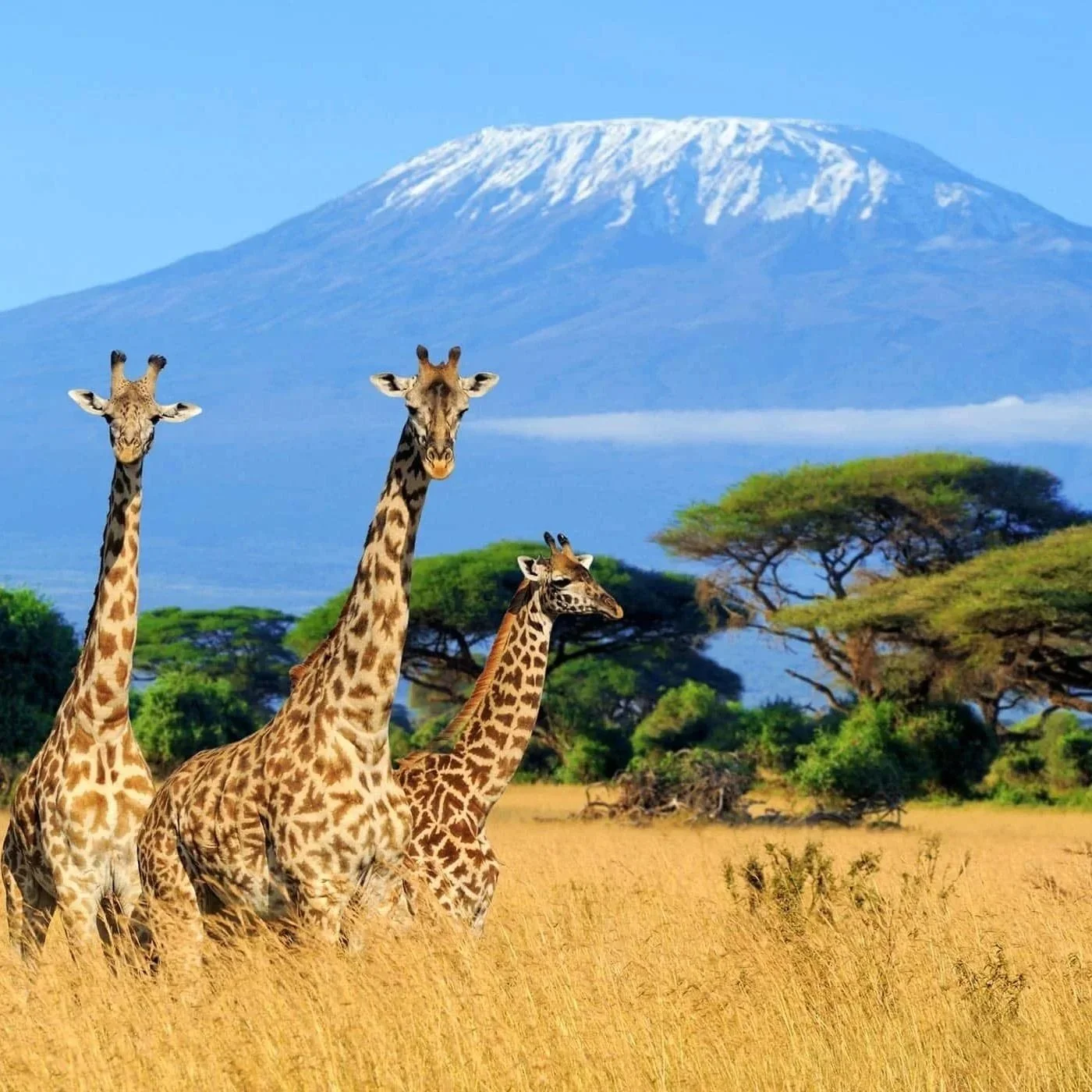
How to Prepare for Africa's Highest Mountain
Climbing Mount Kilimanjaro is one of the most rewarding adventures in the world. Standing at 5,895 metres (19,341 ft), it doesn't require technical climbing experience, but it does demand determination, preparation and a reasonable level of fitness.
One of the biggest misconceptions is that Kilimanjaro is all about strength. In reality, it's far more about endurance, consistency and allowing your body to cope with altitude over several days.
The good news? You don't need to be an elite athlete to reach the summit.
At Tarzan Expeditions, we've designed our itinerary to maximise your chances of success through gradual acclimatisation, but preparing properly before you arrive will make the entire experience safer, more enjoyable and significantly increase your likelihood of standing on the Roof of Africa.
Do You Need to Be Fit?
To an extent, but more importantly, you need to be prepared.
Every year, people of all ages successfully climb Kilimanjaro. We've seen runners struggle while determined hikers with average fitness reach the summit comfortably.
The biggest factors are:
Cardiovascular endurance
Mental resilience
Recovery between hiking days
Altitude adaptation
Pacing yourself
If you can comfortably spend six to eight hours walking uphill with a daypack, you're already in a good position.
How Fit Should You Be?
Before your expedition, you should ideally be able to:
Walk for 6–8 hours without excessive fatigue
Climb several hundred metres of elevation comfortably
Recover well enough to repeat the effort the following day
Carry a small daypack for extended periods
Maintain a steady walking pace without frequent breaks
Remember, Kilimanjaro isn't a race.
On summit day, the phrase you'll hear most often is:
"Pole Pole."
It means "Slowly, slowly."
Walking slowly is one of the biggest secrets to reaching the summit.
How Long Should You Train?
Ideally, you should be training for at least 12 weeks before your expedition.
If you're already active, 8 weeks may be enough.
If you're starting from scratch, giving yourself three months allows your body to adapt gradually while reducing injury risk.
12-Week Kilimanjaro Training Plan
Weeks 1–4: Build Your Base
The goal during the first month is to improve your cardiovascular fitness.
Aim for:
Three brisk walks each week (45–90 minutes)
One longer weekend hike (2–3 hours)
Two strength sessions
Daily mobility work
Don't worry about speed.
Focus on spending time on your feet.
Weeks 5–8: Increase Endurance
Gradually increase the duration of your hikes.
Aim for:
Two walks or hikes during the week
One long weekend hike (4–6 hours)
Two gym sessions
One stair climbing session
If possible, begin hiking on rougher terrain and steeper hills.
Carry a small backpack weighing around 5–8 kg.
Weeks 9–12: Simulate the Mountain
Your training should now resemble Kilimanjaro more closely.
Aim for:
One 6–8 hour hike each week
One back-to-back hiking weekend every fortnight
Stair climbing carrying your daypack
Two strength sessions
Light recovery walks
Back-to-back hikes are extremely valuable because they teach your legs to perform when tired—exactly what you'll experience on the mountain.
Cardio Training
Cardiovascular fitness is one of the biggest predictors of an enjoyable climb.
Excellent options include:
Hiking
Hill walking
Trail running
StairMaster
Cycling
Swimming
Incline treadmill walking
Aim for three cardio sessions per week.
You should still be able to hold a conversation while exercising.
You don't need to sprint.
Long, steady efforts are much more beneficial.
Strength Training
Strong legs make every day of the expedition easier.
Focus on compound movements such as:
Squats
Lunges
Step-ups
Romanian deadlifts
Split squats
Calf raises
Core exercises should include:
Planks
Side planks
Dead bugs
Farmer carries
A strong core helps maintain posture when hiking with a backpack for several hours.
Train With a Backpack
Many people arrive having never walked with a backpack.
This is a mistake.
During training, gradually build up to carrying around 6–8 kg.
Practice adjusting the straps and walking comfortably over long distances.
The more familiar your body is with a loaded backpack, the more enjoyable the climb will feel.
Train on Hills
Whenever possible, choose hills over flat walks.
Your body needs to become accustomed to continuous climbing.
If you don't live near hills, alternatives include:
StairMaster
Stadium stairs
Multi-storey car parks
Incline treadmill (10–15%)
Remember, the goal isn't speed.
It's sustained effort.
Practice Consecutive Hiking Days
Kilimanjaro isn't difficult because of one long walk.
It's difficult because you repeat it day after day.
One of the best ways to prepare is by hiking on consecutive days.
For example:
Saturday:
15 km hike
Sunday:
Another 15 km hike
Your legs quickly adapt to recovering overnight before going again.
Altitude
No amount of training can fully prepare your body for altitude.
Even elite athletes can develop altitude sickness.
Our itinerary has been carefully chosen to maximise acclimatisation, but there are still things you can do:
Stay hydrated
Eat regularly
Walk slowly
Avoid alcohol before the climb
Get plenty of sleep
Listen to your guides
Altitude affects everyone differently.
Fitness does not guarantee immunity.
What If You Can't Train Outdoors?
No problem.
A simple gym programme can still prepare you very well.
For example:
Monday
StairMaster – 40 minutes
Squats
Lunges
Core
Wednesday
Incline treadmill – 60 minutes
Romanian deadlifts
Step-ups
Planks
Friday
StairMaster – 45 minutes
Walking lunges
Calf raises
Farmer carries
Weekend:
Long outdoor walk if possible.
Recovery Matters
Your fitness improves while recovering—not while training.
Make sure you:
Sleep 7–9 hours
Eat enough protein
Stay hydrated
Stretch after longer hikes
Don't increase training too quickly
Arriving injured helps nobody.
Consistency is far better than pushing yourself into overtraining.
Common Mistakes
Going too hard
The biggest mistake people make is training too intensely.
Kilimanjaro rewards endurance, not maximum effort.
Ignoring hills
Walking 15 km on flat ground isn't the same as climbing for six hours.
Seek elevation whenever possible.
Wearing brand-new boots
DON’T DO THIS! Always break your boots in before the expedition.
Train in the footwear you'll actually wear on the mountain.
Never carrying a backpack
Train exactly as you'll hike.
A loaded backpack feels very different after several hours.
Neglecting recovery
Overtraining often causes injuries just before departure.
Build fitness gradually.
Do I Need Previous Hiking Experience?
No.
Many successful climbers have never completed a multi-day trek before.
What matters most is arriving fit, prepared and willing to keep putting one foot in front of the other.
Our experienced guides will support you every step of the way.
Final Thoughts
Kilimanjaro is one of those rare adventures that stays with you for the rest of your life.
The better prepared you are, the more you'll enjoy every moment—from walking through rainforest on day one to watching the sunrise from Uhuru Peak nearly 6,000 metres above sea level.
Train consistently, trust the process and remember that the goal isn't to be the fastest person on the mountain.
It's simply to reach the summit safely, enjoy the journey and experience one of the greatest adventures on Earth.
Ready to Take on Kilimanjaro?
If you're ready to stand on the highest mountain in Africa, we'd love to have you join us.
View our upcoming Kilimanjaro Expedition and start preparing for an unforgettable adventure.
travel insurance
All guests must have suitable travel insurance that covers trekking and adventure activities. We recommend True Traveller because it's designed for adventure travel and we've partnered with them to offer cover.